
Classic Cottage Pie
This Cottage Pie recipe is a family dinner favorite across the world and one of the recipes my readers asked for the most. My recipe is simple and classic, flavored with a mirepoix, garlic, fresh rosemary and red wine. Easy but delicious comfort food.
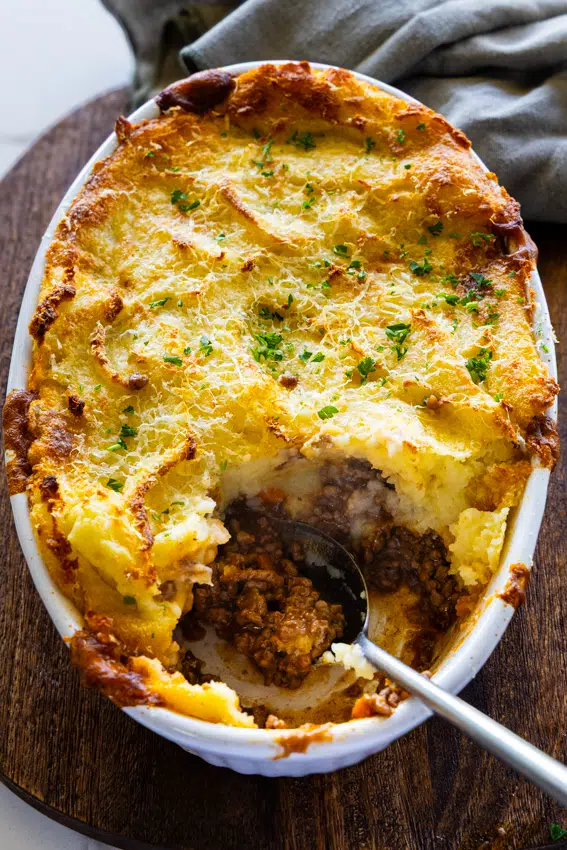
I’ll be honest though, Cottage Pie is not one of my personal favorites. It’s a texture thing, but my family absolutely loved this recipe and it’s the kind of classic, simple weeknight dinner that quickly becomes a staple. The rich, savory filling against the creamy mash, the crispy golden cheese on top, the way the gravy bubbles up around the edges in the oven. It’s comfort food at its absolute best and it freezes beautifully, which makes even better.
What Is Cottage Pie?
Cottage pie is a traditional British dish made with a ground beef (beef mince) filling topped with mashed potato and baked until golden. It dates back to the late 18th century when potatoes became an affordable and widely available staple in Britain and Ireland. The “cottage” in the name refers to the homes of the working class who created the dish as a practical, economical way to feed a family using inexpensive ingredients.
If you’ve heard this dish called shepherd’s pie, there’s a simple distinction: cottage pie is made with beef, shepherd’s pie is made with lamb. The name literally refers to the protein. Shepherds tend sheep (lamb), cottagers cooked with whatever was affordable (usually beef). The method, the mash topping and the baking are identical. Only the meat changes.
Ingredients and Substitutions
- Ground beef (beef mince). An 80/20 lean-to-fat ratio gives you the best flavor and the richest gravy.
- Onion, carrot and celery (mirepoix).
- Garlic.
- Tomato paste. Tomato paste adds concentrated umami, a subtle sweetness and a richer color to the gravy.
- Fresh rosemary. I add a whole sprig which infuses the sauce with it’s delicious flavor and remove the stalk right before adding the topping.
- Flour. Without a thickener the sauce is too runny to hold the mashed potato topping. You need a little flour to add some body to the sauce.
- Red wine. I always use Cabernet Sauvignon in cooking as it’s not too heavy for most dishes. Use whichever good red wine you’ve got available to you.
- Beef stock.
- Seasonings: Salt and black pepper. I also added a teaspoon each of paprika dried oregano which are not at all traditional but add just a hum of flavor but is optional.
- Optional: The filling is a great place to add more veg. Peas and mushrooms are more traditional but you could even add spinach, peppers, finely diced cauliflower, etc. if you wanted to really pack it with veg. Worcestershire sauce is also often used to flavor the meat but I don’t find it necessary with the addition of wine and beef stock.
For the Mash Topping
- Potatoes. Use a starchy or floury potato like Russet, Maris Piper or King Edward. These varieties mash smoothly and give you a fluffy, light result. Waxy potatoes (like new potatoes or fingerlings) don’t mash well and result in a gluey, sticky texture.
- Butter. A generous amount stirred into the hot, drained potatoes. The butter adds richness, flavor and a silky smooth texture.
- Cream. A splash of heavy cream or double cream makes the mash luxurious and smooth. Warm milk works for a lighter result.
- Salt and pepper. Nutmeg is a great addition to the mash if you have it.
- Parmesan cheese. Optional but it adds great flavor and a beautiful golden crust to the top.

How to Make Cottage Pie
Make The Filling
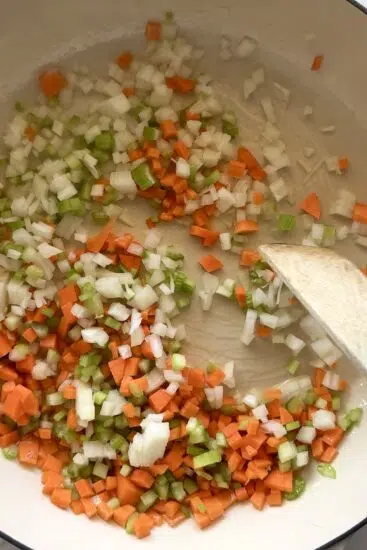
Step 1: Cook the mirepoix. Heat a splash of oil in a large deep pan or Dutch oven over medium-high heat. Add the finely diced onion, carrot and celery to the pan. Cook for about 5 to 7 minutes until the vegetables are softened and starting to turn golden. Add the minced garlic and cook for another 30 seconds until fragrant.
Step 2: Brown the mince. Add the beef mince and break it into pieces with a wooden spoon. Cook until well-browned and no pink remains, about 7 to 8 minutes. Don’t stir constantly. Let the mince sit in contact with the pan long enough to develop real color and caramelization. This is where much of the flavor comes from. If there’s a lot of excess fat, drain some off but leave a tablespoon or two in the pan for flavor.
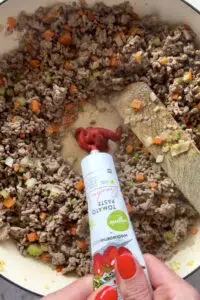
Step 3: Add the tomato paste and seasoning Stir in the tomato paste and cook for about a minute, stirring constantly. The paste should darken slightly and smell sweeter as it caramelizes. Add the salt, pepper and other seasoning (if using). Sprinkle the flour over the meat and vegetables and stir for another minute so the flour cooks and coats everything evenly.
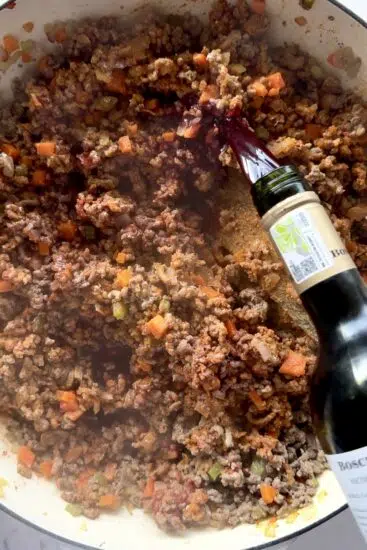
Step 4: Deglaze with wine. Pour in the red wine and stir, scraping up any browned bits stuck to the bottom of the pan. These bits are packed with flavor and become part of the gravy.
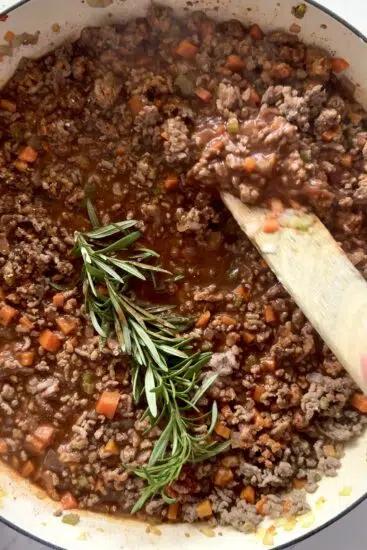
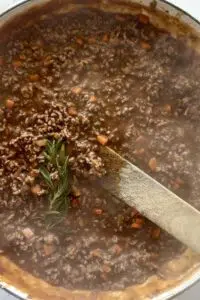
Step 5: Add the stock and simmer. Pour in the beef stock and sprig of rosemary and stir everything together. Bring to a gentle simmer, reduce the heat to low and let the filling cook for about 20 to 25 minutes, stirring occasionally, until the gravy has thickened and the vegetables are tender. The filling should be saucy but not watery. If it’s too thick, add a splash more stock. If it’s too thin, simmer uncovered for a few more minutes. Season generously with salt and pepper. The filling needs to be well-seasoned because the mash on top is quite mild.
Make the Mash
Step 6: Boil the potatoes. While the filling simmers, peel the potatoes and cut into even chunks. Place in a large pot of cold, salted water. Bring to a boil and cook for 15 to 20 minutes until completely tender when pierced with a knife. The potatoes should offer no resistance at all. Undercooked potatoes make lumpy mash.
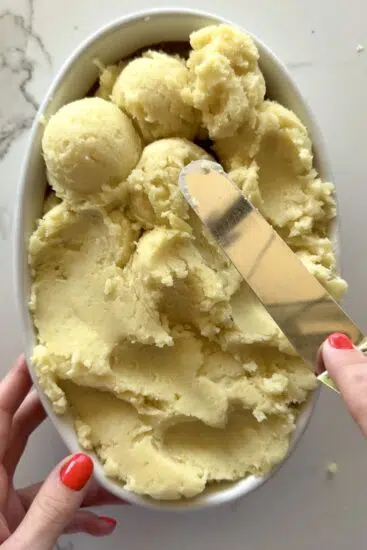
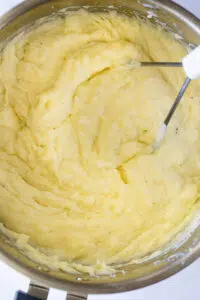
Step 7: Mash. Drain the potatoes thoroughly (excess water makes the mash thin and soggy). Return them to the hot pot and mash with a potato masher or ricer until smooth. Add the butter and stir until melted and incorporated. Add the cream gradually, mashing and stirring until the mash is smooth, creamy and thick enough to hold its shape. Season with salt and pepper. Taste. The mash should be delicious on its own.
Assemble and Bake
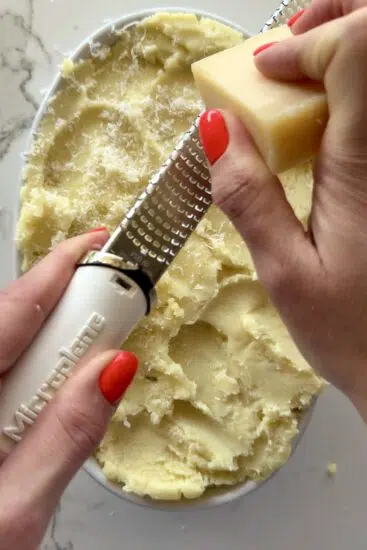
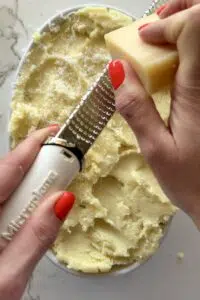
Step 8: Assemble. Preheat the oven to 400°F (200°C). Pour the filling into an oven-safe baking dish and spread evenly. Spoon the mash on top of the filling, starting around the edges and working inward. Spread the mash evenly over the surface. Use a fork to create texture on top (the ridges and peaks crisp up beautifully in the oven). Scatter the grated parmesan generously over the entire surface.
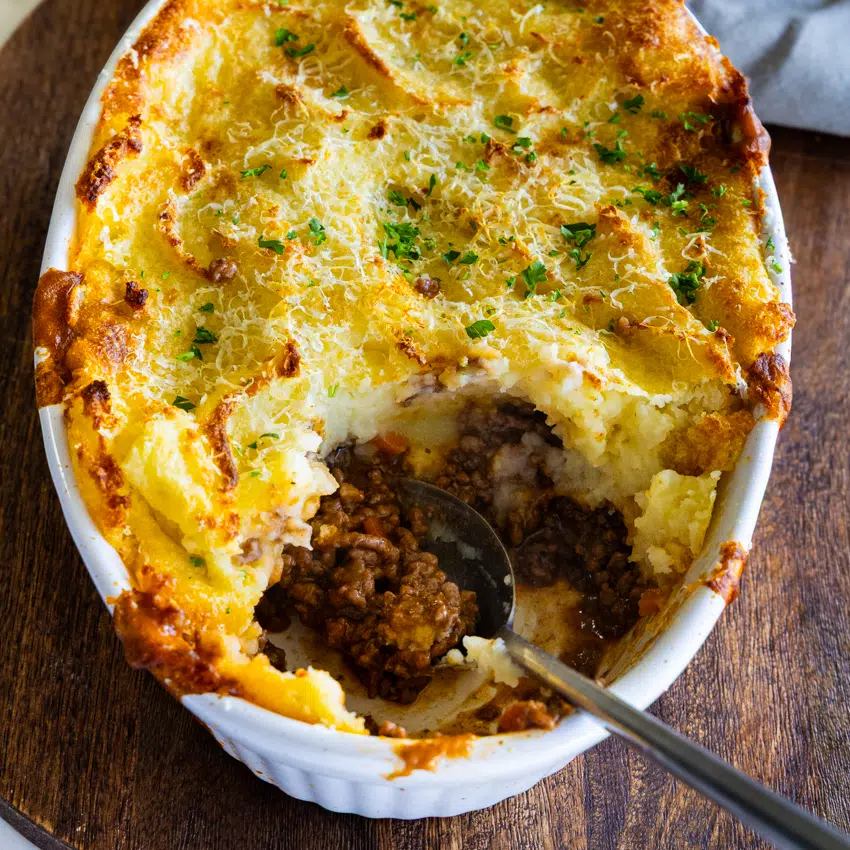
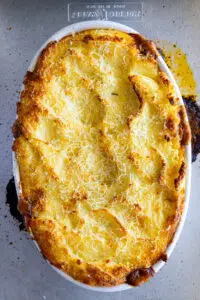
Step 9: Bake. Place the dish on a baking tray lined with foil (because the filling will likely bubble over) and place in the oven and bake for 25 to 30 minutes until the top is golden brown, the parmesan has melted into a crispy crust and the filling is bubbling up around the edges. If the top isn’t golden enough, switch to the broiler for the last 2 to 3 minutes. Watch it carefully under the broiler as it goes from golden to burnt quickly.
Step 10: Rest and serve. Let the cottage pie rest for 5 to 10 minutes after coming out of the oven. This allows the filling to settle and thicken slightly so it doesn’t run everywhere when you scoop.
Tips for the Best Cottage Pie
- Brown the mince properly. Don’t just cook it until the pink disappears. Let it sit in the hot pan and develop genuine brown color and caramelization. The Maillard reaction on the surface of the mince is where most of the depth of flavor in the gravy comes from. Grey, steamed mince makes a flat, boring filling.
- Cook the tomato paste before adding liquid. That minute of stirring the paste in the hot pan caramelizes it and removes the tinny, raw taste. It should darken slightly and smell sweeter. This small step adds a surprising amount of depth to the gravy.
- Use fresh rosemary. Dried rosemary works but it doesn’t come close to the fragrance and flavor of fresh.
- Don’t make the mash too thin. The mash needs to be thick enough to sit on top of the filling without sinking into it. If it’s too loose, it disappears into the gravy and you lose the distinct layer of potato on top. Drain the potatoes thoroughly and add the cream gradually until you have a thick, spreadable consistency.
- Start the mash from the edges. When spooning the mash onto the filling, start at the edges of the dish and create a seal against the sides before filling in the center.
- Fork the top. Running a fork across the surface of the mash creates ridges and peaks that crisp up in the oven. You can do the same with the back of a spoon or a spatula. The contrast between the crispy golden peaks and the soft, creamy mash underneath is one of the best textural experiences in cooking.
- Let it rest. Five to 10 minutes out of the oven allows the filling to set. If you scoop immediately, the gravy runs everywhere and the portions fall apart. A brief rest gives you cleaner, more satisfying servings.

How to Freeze Cottage Pie
Cottage pie is one of the best freezer meals you can make because it goes straight from freezer to oven with no defrosting needed.
- Freeze before baking. Assemble the cottage pie completely (filling in the dish, mash on top, parmesan scattered) but don’t bake it. I prefer doing this in a foil dish to make it easy to go from freezer to oven. Press a piece of parchment paper directly onto the surface of the topping then cover tightly with a layer of cling film and then a layer of foil. Freeze for up to 3 months.
- Bake from frozen. Remove all the wrapping and place the frozen cottage pie on a foil-lined baking sheet. Place in a 350°F (180°C) oven and bake for about 60 to 75 minutes until the filling is bubbling around the edges and the center is hot all the way through. Increase the heat to 400°F (200°C) for the last 10 minutes to get the parmesan topping golden and crispy.
- Freeze in portions. For individual servings, assemble in small oven-safe dishes or ramekins. These freeze and reheat faster than a large dish and are perfect for grabbing a single serving on a busy night.
- Freeze the filling separately. If you prefer to make fresh mash on the day, freeze just the filling in containers. Defrost, make fresh mash, assemble and bake. The filling freezes well for up to 3 months.
What to Serve with Cottage Pie
Cottage pie is a complete meal on its own but if you want something alongside:
- Greens. Broccoli, green beans or peas. Something green and simple to contrast the rich, golden pie. Steam them, sauté them, air fry them or give them a quick blanche.
- A simple salad. A green salad with a sharp vinaigrette cuts through the richness of the mash and gravy beautifully.
- Crusty bread. For mopping up any gravy left on the plate. Not strictly necessary but always welcome.
- Glazed carrots. If you want a second vegetable alongside the greens. The sweetness of the carrots complements the savory filling.
Ingredients
- 2 tbsp olive oil
- 1 onion finely chopped
- 2 large carrots peeled and finely chopped
- 2 stalks celery finely chopped
- 4 garlic cloves minced
- 2 lb (1kg) ground beef / beef mince
- 2 tbsp tomato paste
- 1 tsp paprika
- 1 tsp dried oregano
- ⅓ cup flour
- 1 cup (250ml) red wine
- 3 cups (750ml) beef stock
- 1 sprig rosemary
- 2-3 tsp salt to taste
- 1-2 tsp black pepper to taste
For the topping
- 2 lb (1kg) potatoes
- 2 tbsp butter
- ½ cup heavy cream
- salt and pepper to taste
- ½ cup grated parmesan cheese
Instructions
For the Filling
- Heat oil in a large pan over medium-high heat. Add the diced onion, carrot and celery. Cook until softened, about 5 to 7 minutes. Add the garlic and cook for 30 seconds.

- Add the mince and allow to brown, about 7 to 8 minutes.
- Stir in the tomato paste and cook for 1 minute. Add the seasonings and sprinkle the flour over the meat and vegetables and stir for another minute.
- Pour in the red wine and scrape up any browned bits from the bottom of the pan.
- Add the beef stock and rosemary and stir to combine. Bring to a gentle simmer and cook for 20 to 25 minutes until the gravy has thickened and the vegetables are tender. Season generously with salt and pepper.



For the mash
- Peel and chop the potatoes into even chunks. Boil in salted water for 15 to 20 minutes until completely tender. Drain thoroughly.
- Mash until smooth. Stir in the butter until melted, then add the cream gradually until thick and creamy. Season with salt and pepper.

Assemble and bake
- Preheat the oven to 400°F (200°C). Pour the filling into an oven-safe baking dish. Spoon the mash on top, starting at the edges to create a seal. Spread evenly and drag a fork across the surface to create ridges. Scatter the grated parmesan over the top.
- Bake for 25 to 30 minutes until golden brown and bubbling around the edges. For extra color, broil for 2 to 3 minutes at the end. Watch carefully.
- Rest for 5 to 10 minutes before serving.

Nutrition
Frequently Asked Questions
The protein. Cottage pie is made with beef. Shepherd’s pie is made with lamb. Everything else (the mash topping, the method, the baking) is identical. The names are often used interchangeably but technically they refer to different meats.
Yes and it’s one of the best make-ahead dinners. Assemble completely, cover and refrigerate for up to 24 hours before baking. Add 10 minutes to the baking time since the dish is going in cold. The filling and mash also develop slightly deeper flavors overnight.
Three possible reasons. The filling wasn’t reduced enough before assembling (simmer longer until the gravy is thick). The mash was too thin (drain the potatoes thoroughly and don’t add too much cream). Or the pie wasn’t rested after baking (5 to 10 minutes out of the oven lets the filling set).
No. If you don’t cook with wine, substitute with extra beef stock and a splash of Worcestershire sauce. You’ll lose some of the depth and complexity that the wine provides but the cottage pie will still be delicious.
Starchy, floury potatoes like Russet, Maris Piper or King Edward. These mash smoothly without becoming gluey. Avoid waxy potatoes (new potatoes, fingerlings, red potatoes) as they result in a dense, sticky mash that doesn’t spread or crisp as well.