
How to Balance Flavor in Any Dish
If your food tastes fine but not amazing, it’s almost always missing one of six things. Salt, fat, acid, heat, sweet or umami. These are the six building blocks of flavor and once you understand how they work and how to balance them, you can fix almost any dish.
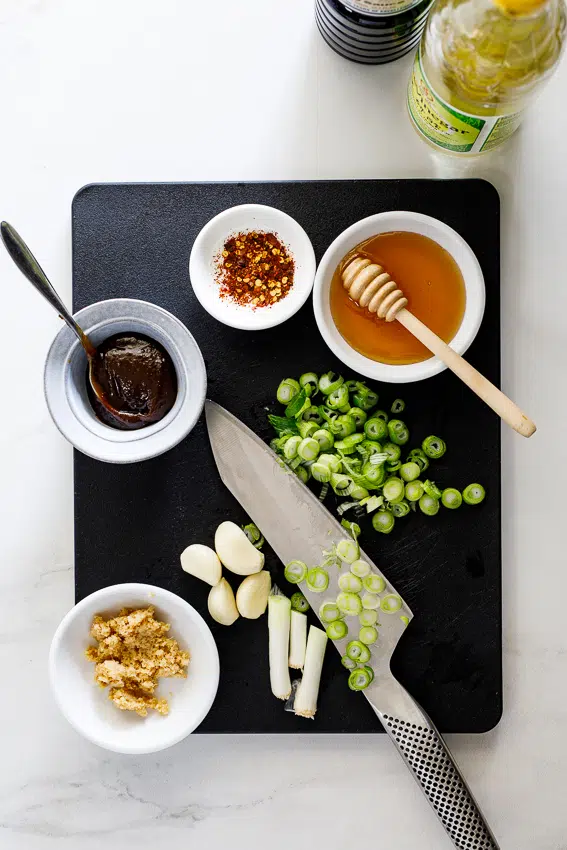
This isn’t about following recipes more carefully or buying fancier ingredients. It’s about understanding why food tastes the way it does and knowing which lever to pull when something isn’t quite right. A soup that tastes flat probably needs acid. A sauce that tastes one-dimensional probably needs fat. A stir fry that tastes good but not great probably needs umami. Once you start thinking in these terms, your cooking improves immediately because you’re not guessing anymore. You’re diagnosing and fixing.
Professional chefs do this instinctively. They taste constantly and adjust on the fly, adding a squeeze of lemon here, a pinch of salt there, a knob of butter to finish. It looks effortless but what they’re really doing is running through these six elements and deciding which one the dish needs more of. The good news is that this isn’t a skill that takes years to develop. You can start using it tonight.
The 6 Elements of Flavor

1. Salt
This is the most obvious one but most home cooks still under-season. Salt doesn’t just make food salty. It amplifies every other flavor in the dish. A pinch of salt makes tomatoes taste more tomatoey, chicken taste more savory and chocolate taste more chocolatey. It wakes up flavors that were already there but weren’t coming through.
The biggest mistake people make is seasoning once at the end. Instead, season in stages throughout the cooking process. Salt your pasta water generously. Season your protein before it goes in the pan. Taste the sauce as it simmers and adjust. Each layer of seasoning builds depth and the result is food that tastes seasoned all the way through rather than just salty on the surface.
How to use it: Season at every stage of cooking. Taste as you go. If a dish tastes flat or dull, the first thing to try is a pinch of salt. You’ll be surprised how often that’s all it needed.
Best sources: Kosher salt for cooking (it’s easier to pinch and control), flaky sea salt for finishing, fine table salt for baking where precision matters.
Common mistake: Adding too much at once. You can always add more salt but you can’t take it away. Add a small pinch, stir, taste, repeat. If you do over-salt, a squeeze of lemon or a splash of vinegar can help balance it out, or add more of the base ingredient (more broth, more cream, more vegetables) to dilute.

2. Fat
Fat carries flavor. It’s the vehicle that delivers taste to your palate, which is why restaurant food tastes richer than most home cooking. Restaurants aren’t shy with butter, olive oil and cream. Fat also adds body, richness and a smooth mouthfeel that makes food feel satisfying rather than thin.
Think about the difference between steamed vegetables and roasted vegetables drizzled with olive oil. The vegetables are the same, but the fat transforms the experience completely. Or compare a tomato sauce made with just a splash of oil versus one finished with a generous knob of butter. The butter version is silkier, richer and more complete.
How to use it: If a dish tastes thin, one-dimensional or like its missing body, add fat. A drizzle of good olive oil, a knob of butter stirred through at the end or a splash of cream. You don’t need a lot. One tablespoon of butter swirled into a pan sauce transforms it completely.
Best sources: Butter (richness and nuttiness), extra virgin olive oil (fruity and complex), cream (silky body), coconut milk (richness in curries and soups), rendered animal fats like bacon fat or duck fat (deep savory flavor).
Common mistake: Being too conservative. A tablespoon of butter in a sauce that serves four people is not an excessive amount of fat. It’s the difference between a sauce that’s good and one that’s restaurant quality.

3. Acid
This is the element most home cooks miss entirely and it might be the single biggest game changer on this list. Acid cuts through richness, brightens dull flavors and makes a dish wake up. Without it, food can taste heavy, flat or one-note even when it’s properly salted and well-cooked.
Everything I cook gets a hit of acid somewhere. A squeeze of lemon, a splash of vinegar, spoonful of yogurt or a dash of white wine. Acid is the reason a squeeze of lime transforms a bowl of soup, the reason a splash of vinegar makes a dressing pop and the reason lemon juice over fish (or actually any dish) makes such a difference. It’s the element that creates brightness and lifts the entire dish.
How to use it: If your food tastes heavy, rich, flat or like it needs “something” but you can’t figure out what, try acid first. Add a small amount, stir, taste. The dish should taste brighter and more alive without tasting sour.
Best sources: Lemon juice (clean and bright, works with everything), lime juice (sharper, great for Asian and Mexican flavors), red wine vinegar (warm and robust for stews and braises), white wine vinegar or apple cider vinegar (softer acidity), balsamic vinegar (sweet and complex), yogurt (gentle acidity with creaminess), tomatoes (natural acidity that works in sauces and stews) or wine (great in sauces, stews or slow-braises).
Common mistake: Forgetting acid exists. Most home cooks think in terms of salt and pepper and stop there. Train yourself to reach for lemon or vinegar the same way you reach for the salt. It will change your cooking overnight.
4. Heat (Spice)
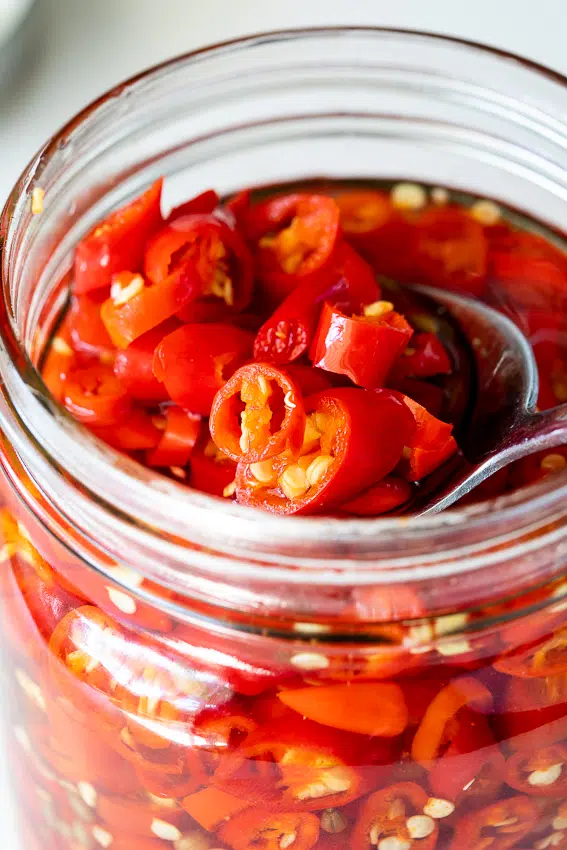
Not temperature. Spice. A gentle warmth that adds depth and complexity and makes your palate pay attention. You’re not trying to make the dish spicy. You’re adding just enough heat to create a subtle buzz that rounds out the other flavors and keeps each bite interesting.
Heat works similarly to salt in that a small amount improves everything without announcing its presence. A crack of black pepper in a cream sauce. A pinch of chili flakes in a pasta. A dash of hot sauce in a dipping sauce. The dish doesn’t taste “spicy” but it tastes more complete, more layered and more satisfying.
How to use it: Add heat gradually and taste as you go. The goal is warmth in the background, not fire in the foreground. If you can identify the heat as a distinct flavor, you’ve probably added too much (which is fine if you’re making something deliberately spicy). It should blend into the dish and lift everything else.
Best sources: Black pepper (the most universal, works in almost everything), red pepper flakes (gentle warmth, especially good in Italian dishes and pasta), cayenne pepper (a little goes a long way), fresh chilies (more complex flavor than dried), hot sauce (vinegar-based hot sauces add acid and heat together), ginger (a different kind of warmth that works beautifully in Asian dishes and curries).
Common mistake: Thinking heat is only for people who like spicy food. A tiny pinch of chili flakes in a tomato sauce doesn’t make it spicy. It makes it better. Start with less than you think you need and work up.

5. Sweet
Sweetness might seem like it only belongs in desserts but a touch of it works wonders in savory cooking. It balances salt and acid, rounds off sharp edges and creates a sense of completeness in a dish. Think about why a pinch of sugar in tomato sauce makes it taste so much better, or why a drizzle of honey on roasted carrots elevates them from ordinary to exceptional.
You’re not trying to make food taste sweet. You’re using sweetness as a counterbalance, the same way acid balances richness. A tiny amount smooths out flavors that feel too sharp, too acidic or too aggressive.
How to use it: If a dish tastes too acidic, too sharp or has a bitter edge, a small touch of sweetness will round it out. Think a pinch, not a pour. The sweetness should be invisible. If you can taste it as a distinct element, you’ve added too much.
Best sources: Honey (complex sweetness, great for dressings and glazes), maple syrup (warm, caramel notes), brown sugar (depth and molasses undertones), white sugar (clean and neutral, dissolves quickly in sauces), sweet chili sauce (sweetness plus heat), caramelized onions (natural deep sweetness built through cooking), balsamic vinegar (combines sweetness and acid together).
Common mistake: Over-sweetening. You need far less than you think. Start with a quarter teaspoon and taste. In most savory dishes, the sweetness should be undetectable as a flavor on its own but noticeable in the overall balance of the dish.
6. Umami
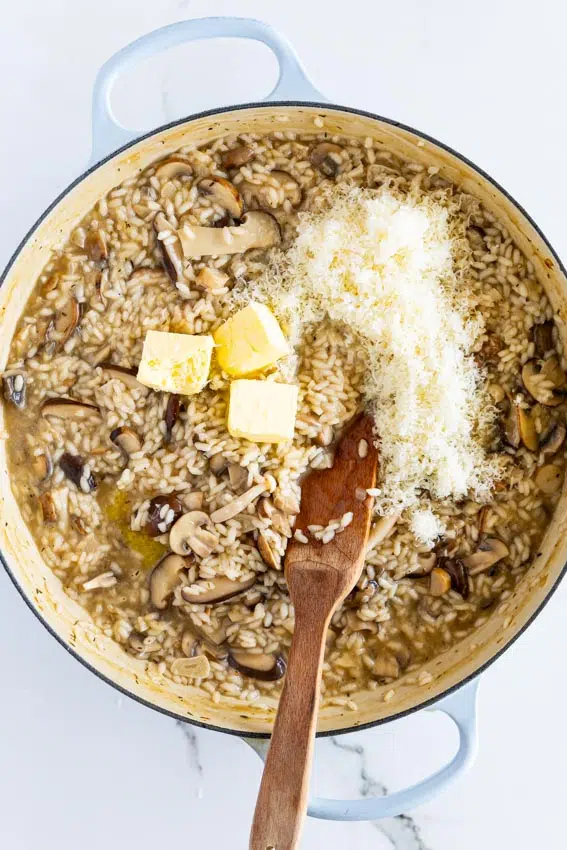
Umami is the deep, savory, mouthwatering flavor that makes you go back for another bite. It’s sometimes described as the “fifth taste” alongside sweet, sour, salty and bitter. Umami is caused by glutamate, an amino acid found naturally in foods like aged cheese, soy sauce, mushrooms, tomatoes and meat.
When a dish is properly salted and has good acid balance but still feels like it’s missing something, it almost always needs umami. This is the element that gives food that rich, crave-worthy quality. It’s the reason parmesan cheese on pasta makes such a difference. The reason soy sauce transforms a stir fry. The reason a slow-cooked bolognese with tomatoes tastes so deeply satisfying.
How to use it: If a dish feels balanced on salt and acid but still lacks depth or that “something” you can’t put your finger on, add an umami-rich ingredient. A handful of grated parmesan. A dash of soy sauce. A spoonful of tomato paste. A few chopped mushrooms. The flavor shift is often immediate and dramatic.
Best sources: Parmesan cheese (intense umami, works in Italian dishes, salads and sauces), soy sauce (liquid umami, works in almost anything savory), fish sauce (extremely concentrated, a few drops adds huge depth), tomato paste (concentrated tomato umami), dried mushrooms (deep earthy umami, rehydrate and use the soaking liquid too), miso paste (fermented, complex umami for soups, dressings and marinades), Worcestershire sauce (a blend of fermented umami flavors), anchovies (melt into sauces for invisible savory depth).
Common mistake: Using too much of a strong umami source. Fish sauce, soy sauce and anchovy paste are incredibly concentrated. Start with a very small amount. Half a teaspoon of fish sauce in a soup or stew adds depth without any fishiness. A full tablespoon might overpower the dish.
How to Use the Six Elements Together
Understanding each element individually is useful, but the real skill is knowing how they interact. Here’s how to think about balancing them:
- Salt and acid work together. Salt amplifies flavor and acid brightens it. Together they make food taste vivid and alive. This is why a squeeze of lemon and a pinch of salt on almost anything (grilled chicken, roasted vegetables, a bowl of soup) instantly makes it better.
- Fat and acid balance each other. Rich, fatty dishes need acid to cut through the heaviness. Acidic dishes need fat to smooth out the sharpness. This is why cream and lemon work so well together in sauces, why vinaigrette (oil plus vinegar) is such a perfect combination and why a squeeze of lime over a rich curry brings everything into balance.
- Sweet and acid balance each other. Too much acid makes food taste sharp and aggressive. A touch of sweetness rounds it off. This is the principle behind sweet and sour dishes, honey-lemon dressings and adding a pinch of sugar to tomato sauce.
- Heat and fat balance each other. Spicy food is calmed by fat, which is why cream, yogurt and butter are used so heavily in Indian and Thai curries. The fat tempers the heat and creates a smoother experience.
- Umami and salt reinforce each other. Umami-rich ingredients (parmesan, soy sauce, tomatoes) often add saltiness too, so be careful when using both. Taste before adding salt if you’ve already added soy sauce or parmesan.
The “Fix It” Cheat Sheet
When something tastes off, here’s how to diagnose and fix it:
- Tastes flat or dull: Add salt first. If still flat, add acid.
- Tastes one-dimensional: Add fat for body and richness.
- Tastes heavy or rich: Add acid to brighten and cut through.
- Tastes too sharp or acidic: Add a touch of sweetness or fat to round it out.
- Tastes good but missing “something”: Add umami. A dash of soy sauce, a spoonful of tomato paste or a handful of parmesan.
- Tastes bland even after salting: Add heat. A crack of black pepper or a pinch of chili flakes adds depth without making it spicy.
- Tastes too salty: Add acid (lemon juice, vinegar) to counterbalance, or add more of the base liquid (stock, cream, water) to dilute.
- Tastes too sweet: Add acid to cut the sweetness, or add salt to push the flavor back toward savory.
- Tastes bitter: Add salt first (salt suppresses bitterness), then a touch of sweetness if needed.
Tips for Developing Your Palate
Taste everything, constantly. Professional chefs taste at every stage of cooking. Before you add salt, after you add salt, after the acid, before you serve. You can’t balance flavors if you don’t know what the food tastes like right now.
Adjust one element at a time. If a dish is off, don’t add salt, lemon and sugar all at once. Add one thing, taste, then decide if it needs more adjustment. This is how you learn what each element does individually.
Keep a lemon on the counter. This sounds simple but it’s a habit that will change your cooking. If a lemon is always within reach, you’ll use it. Acid is the most frequently missing element in home cooking and the easiest to fix. And I’m not lying when I say I add lemon to almost everything. Every single sauce, marinade, dressing, stew and curry I make gets a squeeze of lemon to brighten everything up.
Season your tasting spoon. When you taste from the pot and think “it’s fine,” try putting a small amount in a separate spoon and adding a tiny pinch of salt to just that spoonful. If it tastes dramatically better, the pot needs more salt. This trick helps you understand the impact of seasoning without risking over-salting the whole dish.
Cook the same dish repeatedly. The best way to learn flavor balance is to make a simple dish (a tomato sauce, a vinaigrette, a stir fry) over and over, adjusting the six elements each time. You’ll start to understand instinctively what each one contributes.
Trust your palate, not the recipe. Recipes give you starting points, but every ingredient varies (your tomatoes are more or less acidic than the recipe writer’s, your salt is coarser or finer). The recipe says “season to taste” because you need to taste and decide for yourself. That’s not a suggestion. It’s the most important instruction in any recipe.
Frequently Asked Questions
Salt. If you had to pick just one element to focus on, proper seasoning with salt will make the biggest immediate difference in your cooking. Salt amplifies every other flavor in the dish, so even the other five elements work better when the dish is properly salted. That said, the real magic happens when you use all six together.
No. Not every dish needs all six. A simple pasta with olive oil, garlic and parmesan might only use salt, fat and umami. A stir fry might use salt, acid, heat and umami. The six elements are a toolkit, not a checklist. Use the ones the dish needs and don’t force elements in where they don’t belong. However, if you think about some of the most delicious foods, they often have all 6. Think about pepperoni pizza. Salt (cheese, salt in the dough, toppings), fat (cheese, oil in pepperoni), acid (tomato sauce), sweet and heat (a drizzle of hot honey) and umami (cheese, tomatoes, pepperoni). The foods that are the most addictive, often contain close to all of the elements.
Taste the dish and ask yourself what’s wrong. If it’s flat, try salt. If it’s dull, try acid. If it’s thin, try fat. If it’s good but missing depth, try umami. The more you practice this, the faster you’ll identify the gap. The cheat sheet above is a good starting reference until it becomes instinctive.
Samin Nosrat’s book and Netflix series popularized four of these elements beautifully and is well worth reading (it’s one of my top recommended reads for beginner cooks). This framework adds sweet and umami because they’re equally important in everyday cooking. Sweetness balances acid and rounds off sharp edges. Umami adds the deep, savory quality that makes food crave-worthy. All six working together gives you the complete picture.
Recipes tell you what to add and when. Understanding flavor balance tells you why, and more importantly, how to fix it when something isn’t working. A recipe might say “add a squeeze of lemon” without explaining that you’re adding acid to brighten a rich sauce. Once you understand the principle, you can apply it to any dish, whether you’re following a recipe or improvising from whatever’s in the fridge.
Yes, but with more caution. Baking is more of a science than cooking, so you can’t freestyle as freely. That said, the principles still apply. A pinch of salt in cookie dough amplifies the sweetness. A touch of espresso powder deepens chocolate flavor (umami). A squeeze of lemon in a glaze adds brightness (acid). The biggest difference is that in baking, these adjustments happen before you bake rather than as you go.
Next time you’re cooking, taste the dish before you serve it and run through the six elements. Does it need more salt? A squeeze of lemon? A drizzle of olive oil? Just asking the question and tasting with intention is the first step. Start with salt and acid since those two alone will improve most home-cooked dishes immediately.
Restaurants consistently nail the six elements. They season aggressively with salt. They use more fat (butter, oil, cream) than most home cooks are comfortable with. They finish with acid (lemon, vinegar). They use umami-rich ingredients generously (stocks, parmesan, soy sauce). The techniques aren’t secret or complex. The difference is that restaurants apply these principles to every single dish, every single time.
I’m trying to lift my cooking to the next level by learning how to balance flavours. Your article is a valuable addition to my knowledge data base, Alida. I have read Samin Nostrat’s book and found it useful but I was surprised to find sweet missing. I use sugar to balance the acid in my tomato sauces, as you mention here. From my reading so far, I understand “balance” in a flavour sense to mean one element does not overpower the others. So, when tasting for “balance” you can percieve all the elements you are using but one does not dominate the dish. Is that what you understand “balance” to be, Alida? I have read many discussions about balance but not many actually define the meaning of the term in relation to flavour.
I do agree that balance definitely means there aren’t any overpowering flavours but then again, I love a super tart lemon meringue pie here the sharpness of the lemon is prominent. I also think balance could be subjective since our tastebuds are all different. I definitely think though, once you’ve had balanced dishes it’s very easy to spot unbalanced ones.
Now that…..was a really interesting bit of information and something that most amateur cooks would benefit from. Solved a lot of questions from me. Nicely done.
I’m so happy to hear that, Rodney!