
7 Day Meal Plan On A Budget Part 2
This is the second edition of my budget meal plan and this time I approached it differently. Instead of planning the meals first and then shopping, I started with the specials. I went through the promotions at the stores local to me, spotted deals on tuna, bell peppers, cheese, mayonnaise, bacon, chicken pieces and oats and designed the entire week’s menu around those savings.
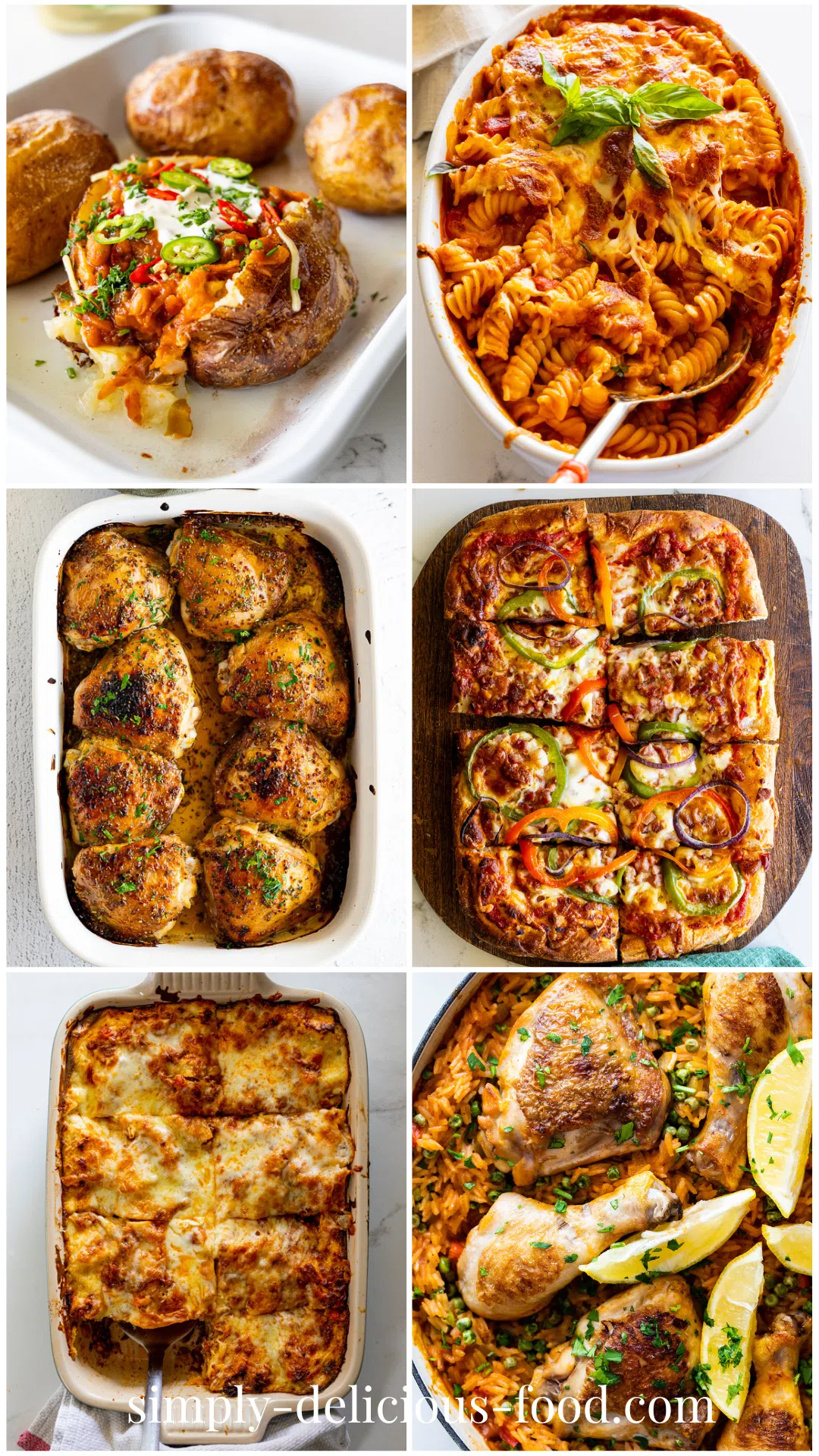
This is one of the smartest shifts you can make with your grocery budget. Let the specials guide the menu rather than the other way around. The meals are just as delicious (arguably more so, because you’re cooking with what’s fresh and affordable that week) and the savings are real. Seven dinners, breakfasts every morning and lunches every day for a family of four, all built around what was on promotion.
If you want to understand the full system behind how I plan and shop on a budget, read my How to Meal Plan for a Month and How to Save Money on Groceries posts. For the first edition of this meal plan, see Part 1 of this series.
A caveat or five:
- This plan fed my family of 4 with two teenagers (including one very hungry, protein-obsessed 17-year old). Your family might eat less which would mean more leftovers for lunch the next day.
- I’m working on the assumption that you have cooking oil, salt, pepper, general spices (like garlic powder, paprika, dried herbs) and sugar.
- If you already have canned tomatoes, beans, rice, pasta or any of the produce/meat options in your pantry or freezer, you won’t need to buy those and will also save a bit.
- If a recipe calls for fresh herbs, use it if you have it but don’t buy it specifically for the recipe. Dried herbs works just as well and if you’re lucky to have it in your garden, go for it. Remember, most of my recipes are developed to be used as a stand-alone recipe. When I’m developing a budget meal plan, we have to cut a few things like fresh herbs, etc. to save.
- I used soy sauce for the fried rice but if that isn’t in your budget, buy a small bottle of stir-fry sauce from the store to cut costs.
- Wherever possible, buy items on special and substitute. If you can find chickpeas or a different kind of bean on special, use those instead. If whole canned tomatoes are on special, buy them and crush them by hand or use a blender.
- I have a preference for free-range/organic chicken, meat and eggs. If you don’t, you could cut the cost even more.
The Strategy
This week’s approach was different from Part 1 in one key way: the specials came first and the menu came second.
- Shop the specials, then plan. I checked what was on promotion at my local stores before I planned a single meal. Chicken pieces, tuna, bacon, bell peppers, cheese, mayonnaise and oats were all on special. Those became the foundation of the week’s menu.
- Crossover ingredients. Where possible, ingredients are used in multiple meals. The chicken, bell peppers and cheese make a couple of appearances across the week. This cuts cost and reduces waste.
- Leftovers are planned, not accidental. The chakalaka from Monday becomes Tuesday’s lunch as cheesy toasties. The Mexican chicken soup is Thursday’s dinner and can be Friday’s lunch. The lasagna on Sunday feeds the family with enough left over for Monday’s lunch. Every leftover has a second life planned before the first meal is even cooked.
How the Specials Shaped the Menu
This is the key difference between this edition and Part 1. Instead of planning meals and hoping the ingredients were affordable, I let the specials dictate the menu:
- Bulk Chicken pieces on special became Arroz Con Pollo, Mexican chicken soup and Honey-Mustard Chicken. Three completely different meals from one protein bought at a reduced price.
- Tuna on special became a big batch of tuna salad that covered multiple lunches. Canned tuna has a long shelf life so when it’s on special, buying extra is always smart.
- Cheese on special went into the pasta bake, the pizza, lasagna and the chakalaka toasties. Four meals from one discounted ingredient.
- Bacon on special became the pizza topping on Friday. Bacon is often one of the more expensive per-gram items in the store so buying it on promotion makes a meaningful difference. You can use ham, salami or pepperoni instead.
- Bell peppers on special appeared in the arroz con pollo, Chakalaka, the Mexican chicken soup and the fried rice.
- Oats on special became overnight oats for the full week’s breakfasts. If preferred, you can make my creamy oatmeal from the previous week’s planning.
The lesson: you don’t need to plan the perfect menu and then go shopping. You can shop first (or at least check the specials first) and let the available deals shape what you cook. The meals are just as delicious and the savings are tangible.
The Shopping List
Bought on Special This Week
- Canned tuna
- Bell peppers
- Cheddar cheese
- Mozzarella cheese
- Mayonnaise
- Bacon
- Chicken pieces (thighs/drumsticks)
- Oats
Pantry and Staple Items
- Rice
- Pasta
- Lasagna sheets
- Canned tomatoes (chopped and/or passata)
- Canned baked beans (for chakalaka)
- Canned kidney beans (for Mexican chicken soup)
- Frozen berries
- Frozen peas
- Bread (for toast, sandwiches and toasties)
- Store-bought bread dough (for pizza)
- Eggs
- Sour cream
- Milk (for béchamel)
- Flour (for béchamel)
- Honey
- Mustard
- Yogurt
- Soy sauce (substitute with store-bought stir fry sauce or even Worcestershire sauce)
- Crackers (for tuna salad, optional)
- Chia seeds (optional)
Fresh Produce
- Onions
- Garlic
- Carrots
- Celery
- Potatoes (for baked potatoes)
- Lettuce or salad greens
Spices (from the pantry)
Salt, pepper, cumin, smoked paprika, chili powder, garlic powder, oregano, bay leaves.
Breakfasts
Breakfasts this week are deliberately simple and inexpensive.
Overnight Oats with Berry Sauce
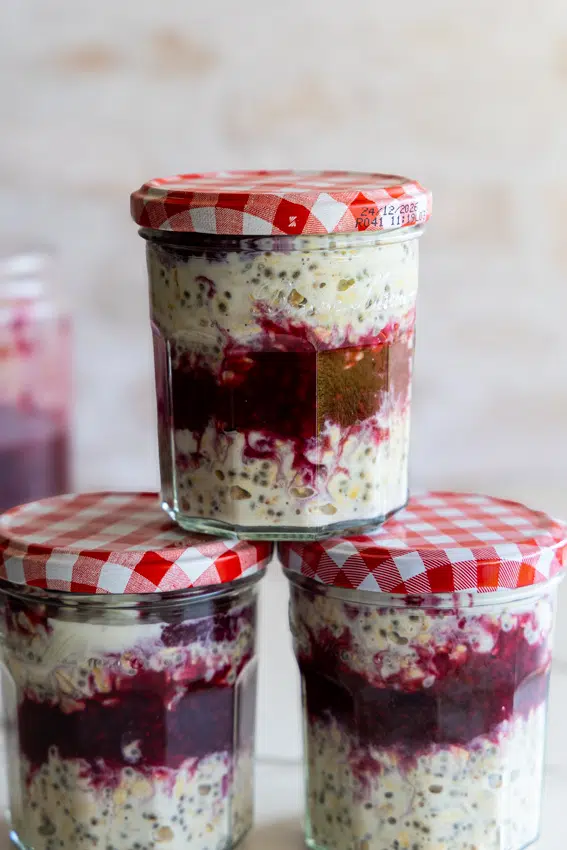
A batch of overnight oats made at the start of the week lasts all five weekday mornings. Layer the oats with an easy berry sauce made from frozen berries (one of the cheapest fruit options in the store) and you’ve got a breakfast that tastes indulgent but costs almost nothing per serving. I added chia seeds from the pantry for extra fiber and nutrients but you can swap those for any seeds you have or leave them out entirely. The overnight oats are incredibly versatile and can be prepped in about 5 minutes on Sunday night.
If oats aren’t your thing, swirl the same berry sauce into a bowl of plain yogurt. Same flavor, different format.

Eggs on Toast
The savory option for days when you want something warm and quick. Eggs are one of the most affordable proteins available and they’re always a crowd favorite in our house. Scrambled, fried or poached on a slice of toast.
Lunches
Lunch can be either one of the below sandwiches or leftovers. If packing a lunchbox for kids, I always like to add a piece of fruit which is where the extra apples or bananas come in handy.
Tuna Salad
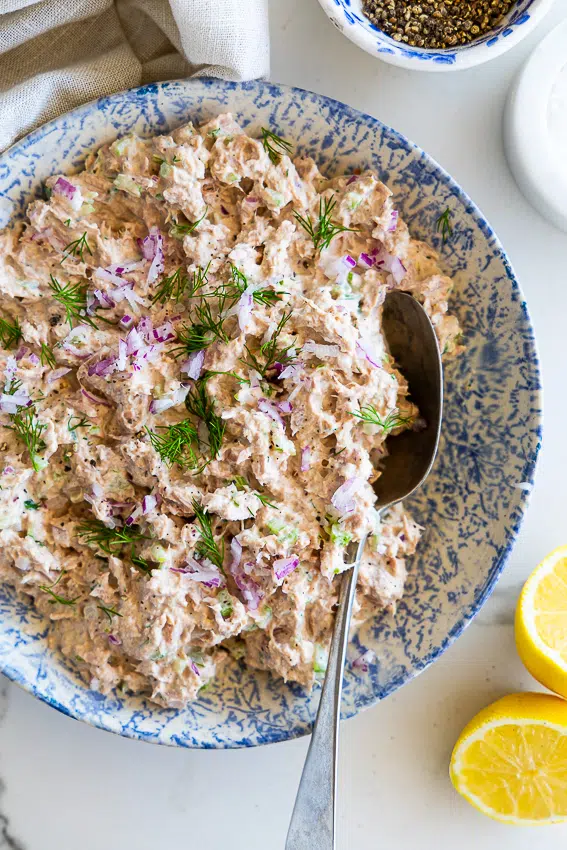
Making use of the tuna special, I made a big batch of tuna salad at the start of the week. Served on a bed of greens, as a sandwich filling or scooped with crackers, it’s a great lunch option that keeps well in the fridge for 3 to 4 days. Canned tuna is one of the most budget-friendly proteins you can buy and when it’s on special, it’s worth stocking up. One batch of tuna salad covers multiple lunches with zero additional cooking.

Chakalaka Toasties
The chakalaka from Monday night’s dinner gets a second life as the most delicious cheesy toasties for lunch. Spread the leftover chakalaka between two slices of bread with grated cheddar, press in a sandwich maker or toast in a pan and you’ve got a lunch that’s genuinely better than the dinner it came from. This is the crossover ingredient principle in action: one recipe, two completely different meals.
The Dinners
Monday: Chakalaka Baked Potatoes
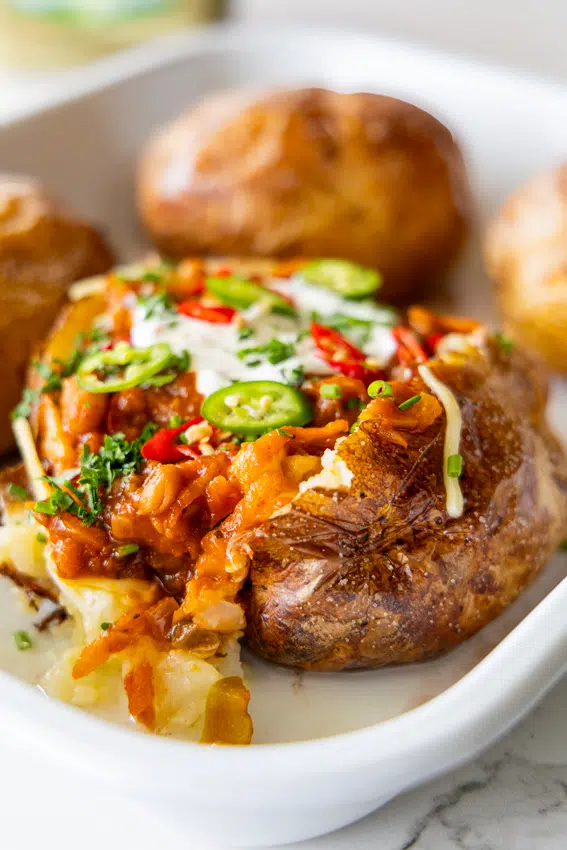
Starting the week with a meatless Monday. Chakalaka is packed with vegetables and baked beans, making it incredibly cost-effective while being utterly delicious. Pile it into baked potatoes and serve with a dollop of sour cream. The chakalaka is also one of the cheapest dinners of the week, which brings the overall budget down and leaves room for more indulgent meals later.
Budget tip: Save the leftover sour cream. It gets stirred into Wednesday’s pasta sauce. Save the leftover chakalaka. It becomes Tuesday’s lunch.

Tuesday: Arroz con Pollo
A true one-pot wonder. Fragrant chicken and rice cooked with onions, peppers and peas in one pot. The chicken pieces were on special which makes this dinner even more affordable than usual. Everything cooks together so the rice absorbs all the flavor from the chicken and the vegetables. One pot, one dinner, minimal cleanup.
Budget tip: Chicken pieces (thighs, drumsticks) are significantly cheaper than boneless breasts and they stay juicier during cooking. Buying them on special makes this one of the most cost-effective protein meals of the week.
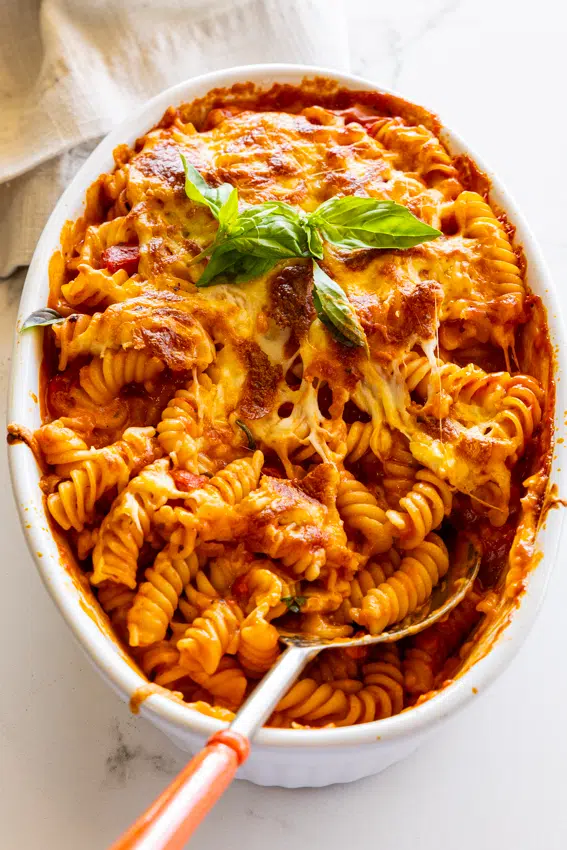
Wednesday: Cheese and Tomato Pasta Bake
A quick tomato sauce with the last of the sour cream from Monday’s baked potatoes stirred in (optional but it makes the sauce creamy and slightly tangy), tossed through pasta and layered with grated cheddar and mozzarella. Baked until golden and bubbling. This is the meal the entire family loves and it also makes excellent leftovers for lunch the next day. The cheese was on special this week which is what made this a pasta bake week rather than a plain pasta week. Feel free to serve the pasta as is without baking if you prefer.
Budget tip: The sour cream from Monday’s dinner becomes part of Wednesday’s sauce. This is what zero-waste cooking looks like: every ingredient has a plan beyond the meal it was bought for. The sour cream is optional but if you have it left over, it would be a waste not to use it.
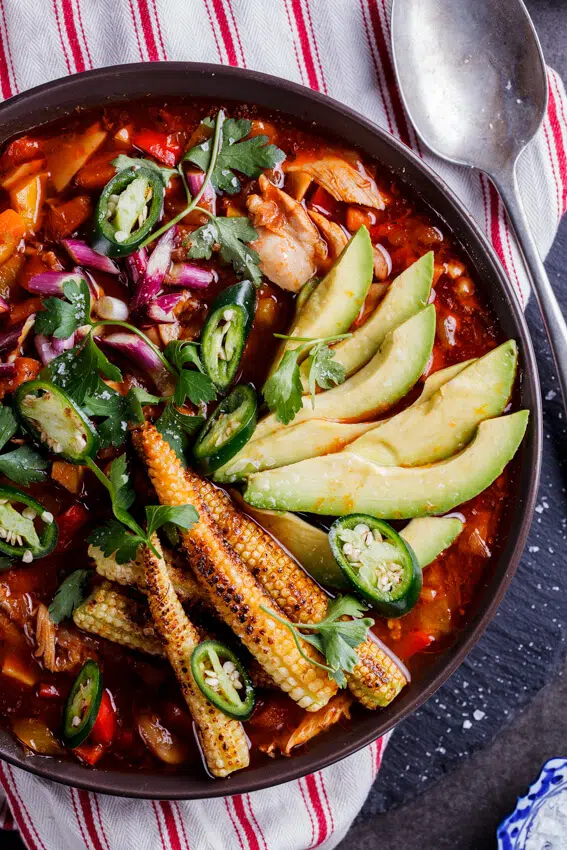
Thursday: Mexican Chicken Soup
My easy Mexican chicken soup is spiced but not spicy and truly packed with vegetables and beans, making it a nutritional powerhouse. I poached a few of the chicken pieces from the special, shredded the meat and added it to the soup base. The soup is incredibly flavorful and filling and it’s one of the best make-ahead meals in my rotation. It freezes beautifully too. (If serving guests I top the soup with sliced avocado and charred baby corn, which is what is photographed.)
Budget tip: Poaching the chicken in the soup liquid means you’re extracting every bit of flavor from the protein into the broth. The chicken does double duty: it flavors the soup and becomes the protein in it. Make extra because this is perfect for lunch the next day.

Friday: Sheet Pan Pizza
Because it’s Friday and everyone wants pizza. I used a ball of store-bought bread dough (one of the cheapest pizza base options) and pressed it into sheet pans. Top tip: Allow the dough to come to room temperature before pressing into sheet pans then cover and allow to rise for 30 minutes at room temperature. Topped with a can of blended tomatoes to make the sauce, the cheese from this week’s special and the bacon I picked up on promotion. I also added sliced peppers and onions. If you have olives or capers in the pantry, throw those on too and use whichever protein you have on hand. I baked the pizzas at 400°F/200°C, on the bottom rack of the oven, for 15-20 minutes until golden brown and crisp.
Budget tip: Store-bought bread dough is one of the most affordable pizza base options and it bakes up crispy and chewy. It’s significantly cheaper than pre-made pizza bases and the result is better. Making pizza at home costs a fraction of ordering in and Friday is the night most families are tempted to order takeout. Homemade pizza breaks that habit.
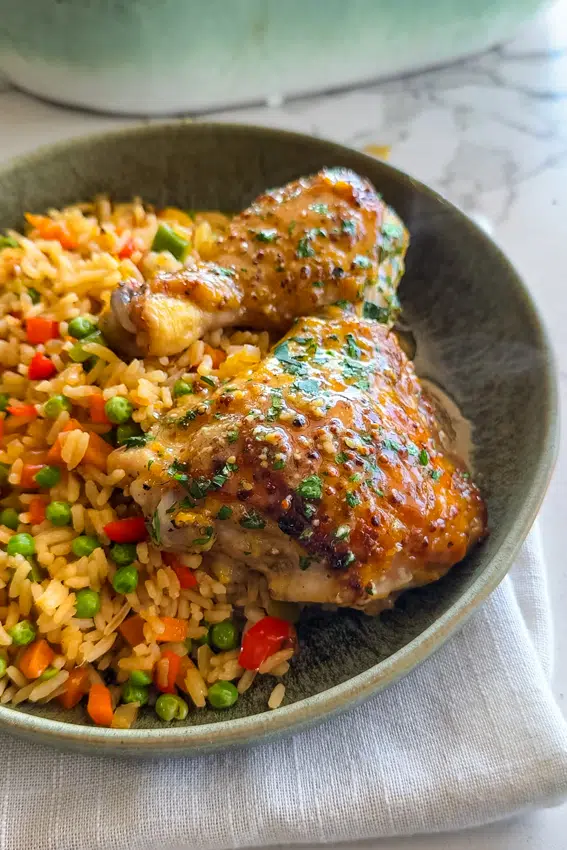
Saturday: Fried Rice with Honey Mustard Chicken
A quick fried rice using the remaining bell peppers from the week, a few carrots and onions and the last of the frozen peas. Served alongside my easy sticky honey mustard chicken. The fried rice is the ultimate fridge-cleaner because it takes whatever vegetables you have left and turns them into something satisfying. The honey mustard chicken is sweet, sticky, tangy and cooks in about 20 minutes.
Budget tip: Fried rice is best made with day-old rice. I cooked mine on Saturday morning, transferred it to a greased sheet pan and popped it into the fridge for the day. Cold rice fries better than fresh because it’s drier and won’t turn mushy in the pan. The vegetables are whatever needs using up from the crisper drawer. This is the meal that ensures nothing goes to waste at the end of the week.
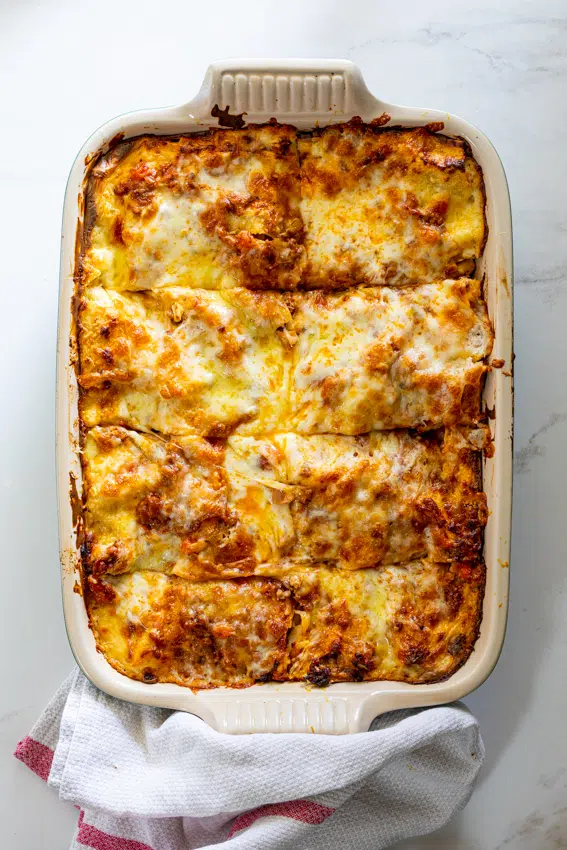
Sunday: Lasagna
The big Sunday cook. My classic lasagna feeds at least 6 and up to 10 people, which means it covers Sunday dinner and provides leftovers for Monday’s lunch. Layers of bolognese, béchamel, pasta sheets and cheese, baked until golden and bubbling. It’s a project but it’s worth every minute and the leftovers make the start of next week significantly easier.
Budget tip: Lasagna is one of the most cost-effective ways to feed a large group because the pasta sheets and béchamel stretch the meat further. My original recipe calls for both pork and beef mince but for this week I used beef only (as I often do) to make use of the cost-saving of buying ground beef by the kilogram. Serve with a salad made from whatever greens are left in the fridge or pick up some fresh garlic bread to mop up the sauce.
More Budget-Friendly Content
How to Meal Plan for a Month: The planning system that makes all of this possible.
How to Save Money on Groceries: Six practical tips for spending less at the store.
Easy Freezer Meals: Stock your freezer in four batch cooking sessions.
Easy Taco Meat: One batch covers multiple dinners.
What to Make with Leftover Taco Meat: Four easy dinners from one batch.
What to Make with Leftover Stew: Turn leftovers into a brand new meal.