
How to Save Money on Groceries
Saving money on groceries does not have to be difficult, boring or overwhelming. These 6 tips are practical, easy to execute and are guaranteed to save you money every month.
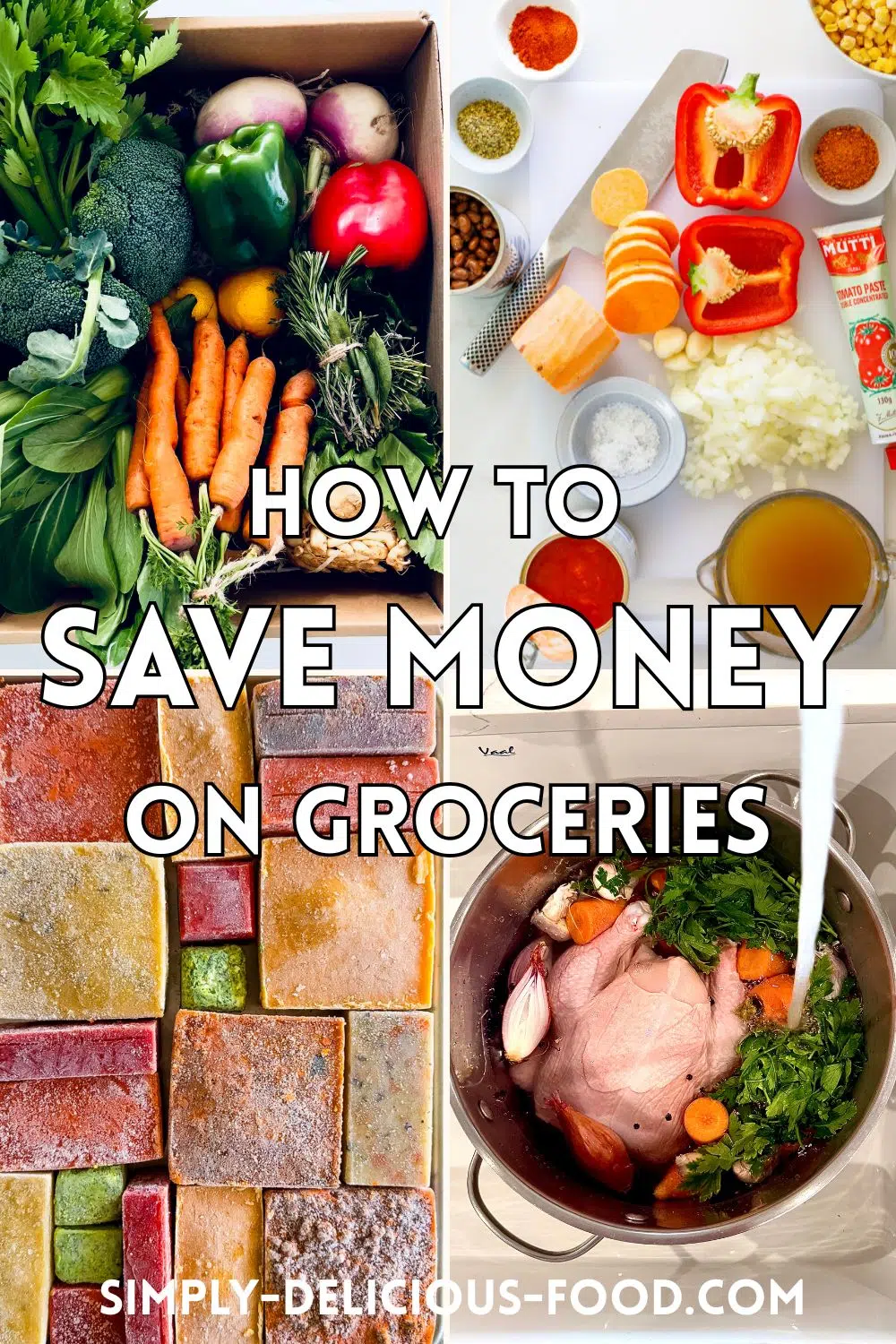
These are six habits I actually use in my own kitchen every week. They keep our grocery bill down without our meals suffering. None of them require couponing (which can be very helpful), extreme budgeting or giving up the food you love. They’re just smarter ways to buy, cook and use what you already have.

1. Buy in Bulk and on Special (But Only What You’ll Actually Use)
This is the most impactful change you can make to your grocery spending. Buying in bulk and buying on special reduces your cost per unit on almost everything in your trolley. The savings compound across a full month and they’re significant.
- Buying ingredients you use monthly (flour, sugar, rice, pasta, canned goods) in bulk quantities almost always work out cheaper per pound/kilogram than buying smaller amounts. The key is to only buying the food you actually know you use regularly and storing it properly. Make sure to use airtight containers for all dry goods.
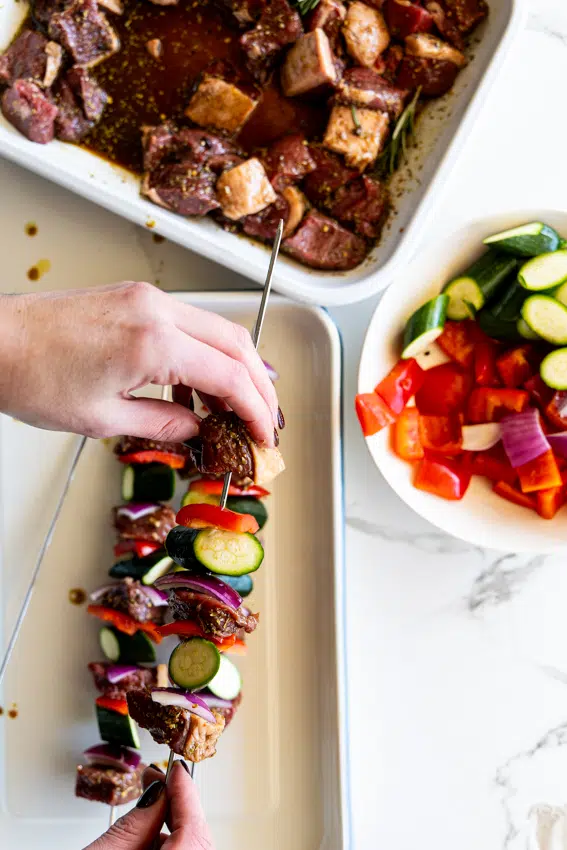
- The same applies to meat. We use ground beef/beef mince and chicken breasts weekly so when I see savings in store, I stock up. Larger packs are also usually cheaper, per pound/kilo. Buy, portion and freeze for dinners for the month ahead. While you’re at it, throw the chicken or steak in a marinade so dinner time is even easier!
The important caveat: only buy in bulk what you know you’ll actually use. A deal on something that sits in the back of the pantry for 6 months isn’t a saving. It’s a sure-fire way of making sure your food (and money) go to waste. Stick to the staples your family genuinely consumes regularly and the savings are real.
2. Stretch Your Ingredients
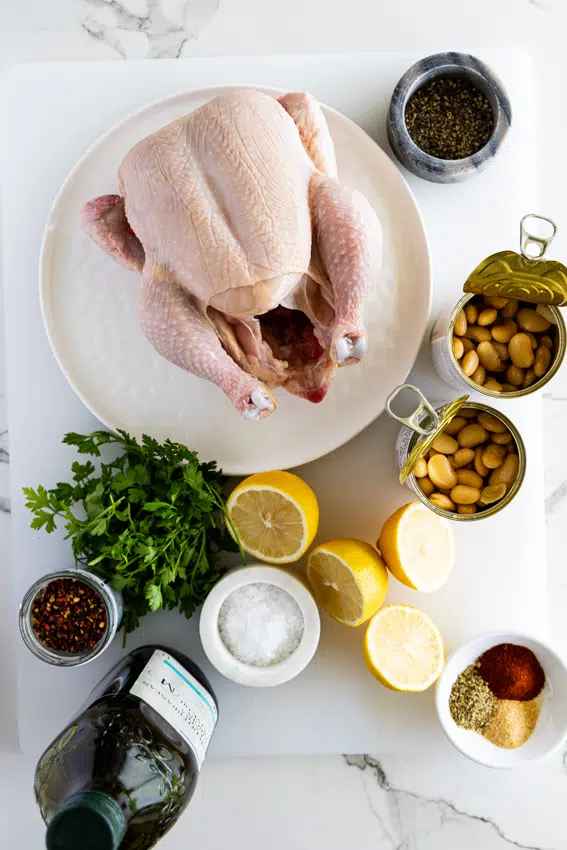
The most expensive ingredient in almost every recipe is the meat. Learning to stretch it means you use less per serving without anyone at the table noticing or caring.
- Add lentils to bolognese. Cook the lentils and mix them into the meat sauce. They absorb the flavor of the bolognese and add bulk, protein and fiber. You can reduce the ground beef by a third and nobody will taste the difference. The texture is almost identical once it’s all simmered together.
- Add beans to soups and stews. A can of cannellini beans or kidney beans added to a chicken soup, a beef stew or a curry stretches the dish into an extra serving or two. The beans absorb the broth and add substance that makes the meal more filling without adding much cost.
- Use chickpeas in curries. A chicken curry that serves 4 can easily serve 6 with the addition of a can of chickpeas. The spice-heavy sauce means everything tastes the same regardless of how much or how little meat is in there.
- Use vegetables. Add extra vegetables (mushrooms, peas, corn) to almost any dish with sauce or rice. We often add sautéed peppers, onions or mushrooms in rice OR we add a handful of frozen peas or corn for a quick boost of fiber. Creamy dishes like chicken a la king, coconut curry or creamy chicken pasta are delicious when you add broccoli, asparagus, green beans, mushrooms or spinach.
This isn’t about eating less. It’s about making what you buy work harder. The flavor stays the same, the meal is just as satisfying and you’re feeding more people from the same amount of protein.
3. Buy Whole Vegetables Instead of Chopped or Pre-Prepared
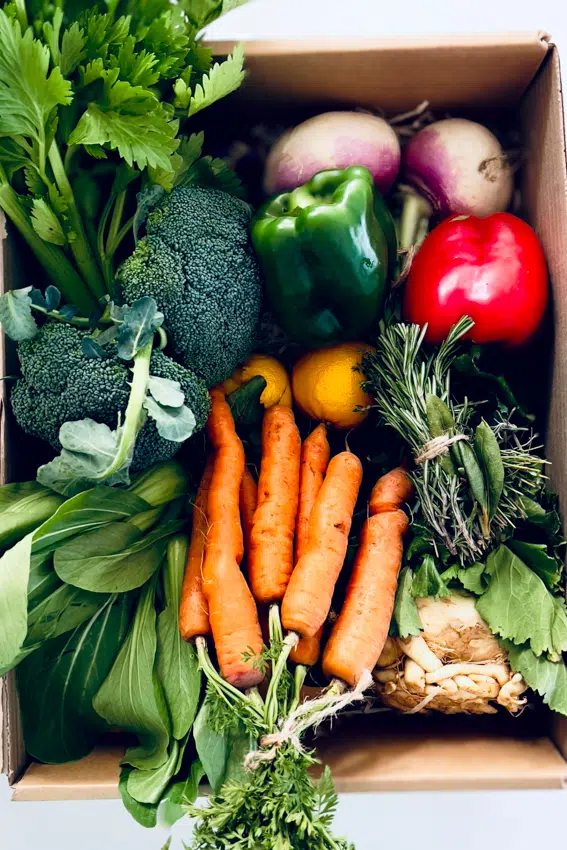
Pre-prepared vegetables absolutely have a place in busy family kitchens. They are convenient, time-saving and can actually be cost-saving too, if used right. Buying a bag of pre-cut stir-fry vegetables is the smart choice when you are only planning on making one stir fry and won’t use up the rest of the cabbage, peppers, etc. needed when bought whole. However, in general, it’s so much cheaper buying whole butternut, sweet potatoes, etc. and peeling and chopping yourself.
- Whole butternut vs pre-cut butternut cubes. The pre-cut cubes can cost two to three times more per kilo than a whole butternut.
- Whole sweet potatoes vs pre-peeled and diced. Same story. A bag of whole sweet potatoes is a fraction of the price.
- The general rule: if the only difference between two products is that one has been chopped, peeled or sliced, buy the whole version and do it yourself. The quality is usually better too because pre-cut vegetables oxidize and dry out faster than whole ones. You’re paying more for a product that’s actually less fresh.
4. Make It Yourself
Every time you make something instead of buying it, you save money and get a better result.
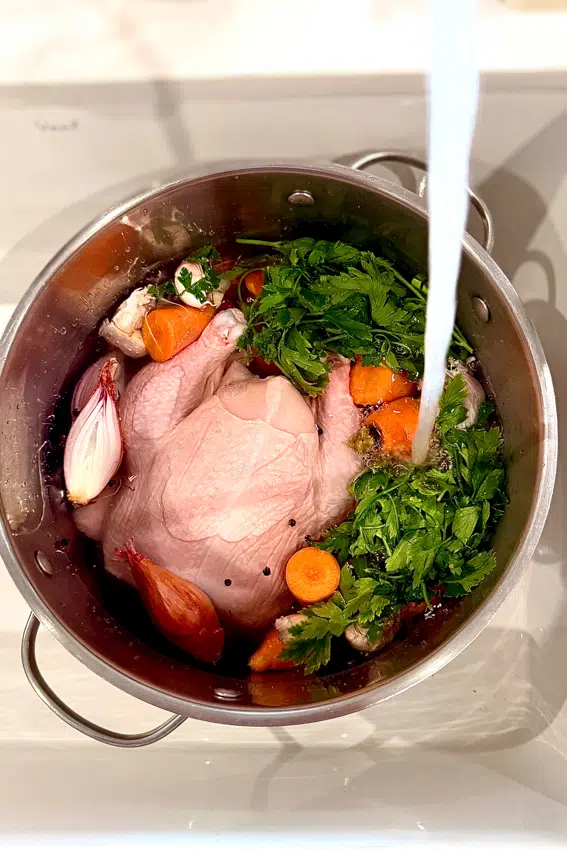
- Stock. Homemade stock from chicken bones and vegetable scraps costs almost nothing. Save your chicken carcasses, onion ends, carrot peels, celery trimmings and herbs that are looking sad in the fridge, in a bag in the freezer. When the bag is full, simmer everything in water for a few hours, strain and you’ve got stock that’s better than anything in a cube or a carton.
- Burger patties and meatballs. Store-bought frozen patties and meatballs are more expensive per serving and less flavorful than homemade. Seasoned ground beef formed into patties or rolled into balls takes 5 to 10 minutes and the result is incomparably better. Make a big batch and freeze them yourself. My easyburger patties and meatballs are where to start.
- Bread, tortillas and flatbreads. Baking my own bread and making tortillas is one of my favorite kitchen activities and it actually saves me tons of money. Store-bought wraps and tortillas can be ridiculously expensive, are packed with preservatives and are never as delicious as homemade. I often make my own cottage cheese tortillas, naan, flatbread and white sandwich bread.
- Crumbed chicken/Chicken cutlets. Frozen crumbed chicken from the store is convenient but the homemade version costs about half the price and tastes significantly better. We always preferred homemade breaded chicken or chicken tenders to store-bought, even though the latter is very convenient.
- Marinades and sauces. Most marinades are pantry ingredients mixed together: oil, acid (vinegar or citrus), garlic and spices. A homemade marinade costs almost nothing compared to a bottle of store-bought marinade. Start with my chicken marinades or steak marinades for ideas. Same with pasta sauces, stir fry sauces and salad dressings. Once you start making your own, you’ll wonder why you ever bought them.
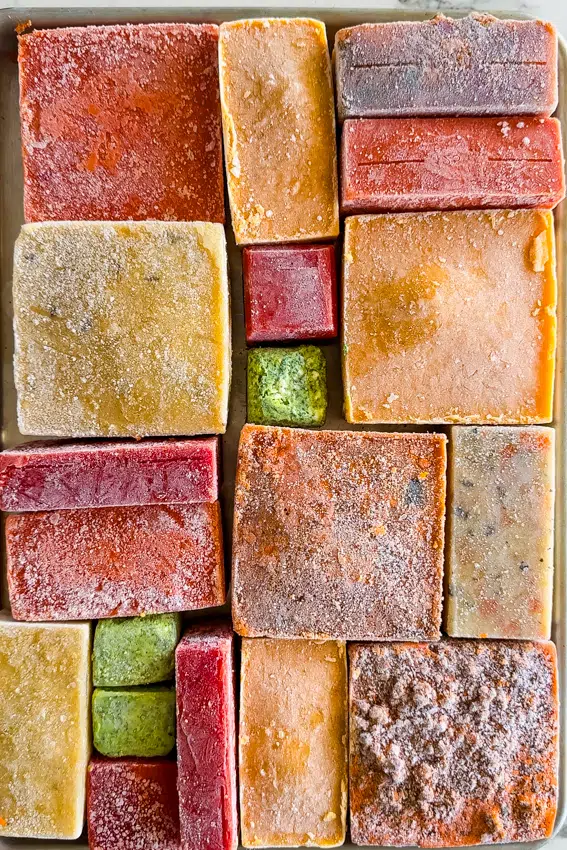
5. Use Your Freezer
Your freezer is the most underused money-saving tool in your kitchen. If you use it intentionally, it becomes the reason you stop wasting food and start spending less.
- Frozen vegetables are your friend. They’re picked and frozen at peak freshness, they’re just as nutritious as fresh (sometimes more so because fresh vegetables lose nutrients during transport and sitting on shelves), they’re significantly cheaper than fresh and they never go bad in the crisper drawer. A bag of frozen peas, corn, green beans or mixed vegetables is always worth having on hand.
- Freeze bulk meat immediately. When you buy protein in bulk, portion it into meal-sized amounts and freeze it the same day. Don’t leave the whole pack in the fridge with the intention of “using it this week.” Portion, label and freeze. Each bag is one dinner. This prevents waste (meat going off before you use it) and means your protein for the next 2 to 3 weeks is already sorted.
- Freeze bread. If your family doesn’t finish a loaf before it goes stale, freeze half the loaf on the day you buy it. Bread defrosts in minutes and toasts perfectly from frozen. You’ll stop throwing away half-eaten loaves, which is money you were literally putting in the bin.
- Grate and freeze cheese. Buy a larger block of cheese (cheaper per pound/kilo), grate the whole thing and freeze it in zip-lock bags. Frozen grated cheese goes straight from the freezer into sauces, pasta bakes, quesadillas and anything that calls for melted cheese. It melts exactly the same as fresh and it costs significantly less than buying small bags of pre-grated cheese every week.
- Freeze batch-cooked meals. If you’re making bolognese, soup, curry or stew, double the batch and freeze half. The cost of the extra ingredients is minimal and you’ve just created a future meal that requires zero additional spending or effort. This is the foundation of my entire Freezer Series approach.
6. Use What You Buy
It’s not just about what you spend at the store. It’s about using every bit of what you’ve already spent money on. Every ingredient you throw away is money in the bin.
- Versatile fruit and veg. A bulk bag of carrots is a great thing to have in the fridge. Chopped and added to soups, sauces and stews it adds sweetness and flavor. Chop them and add them to lunchboxes or serve with hummus as a snack. Fruit that is past its best can be turned into compotes, jams or syrups/cordials. Think about the produce you have in different ways. Apples that have gone a little soft are fantastic cooked down with spices and served with oatmeal, yogurt or chia pudding for breakfast. Of course bananas that are bruised and soft make the best banana bread. Vegetables past their best go into stocks and sauces. Herbs are fantastic frozen covered with oil and added to pasta sauce. The possibilities are endless.
- Vegetable scraps become stock. Keep a bag in the freezer for onion ends, carrot peels, celery trimmings, herb stalks and any vegetable offcuts that are clean but not pretty enough to eat on their own. When the bag is full, you’ve got the makings of free homemade stock.
- Leftover rice becomes fried rice. Cold rice from last night’s dinner is actually better for fried rice than freshly cooked rice because it’s drier and fries rather than steams. What could have been thrown away becomes a completely new meal.
- Leftover stew becomes soup. If you’ve got a container of stew that’s not quite enough for a second dinner, add stock and fresh vegetables and you’ve got a full pot of soup. I wrote an entire post about this: how to turn leftover stew into soup.
- Track what you throw away for one week. Open the bin and pay attention. The wilted salad bag you bought with good intentions. The half onion that went soft. The bread that went stale. Once you see what you’re wasting, you can plan to avoid it. Buy less of what you consistently throw away. Use leftovers intentionally. Plan your meals so ingredients cross over rather than sitting unused.
Frequently Asked Questions
Yes, almost always. The per-unit cost of nearly every pantry staple and protein drops as the pack size increases. The caveat is that the saving only counts if you actually use what you buy. Bulk buying perishable items you won’t finish is waste, not savings. Stick to non-perishables (rice, pasta, canned goods, flour, sugar, oil) and proteins you can freeze.
For vegetables and fruit, yes. Frozen vegetables are typically picked at peak ripeness and frozen within hours, which locks in the nutrients. Fresh vegetables can lose nutrients during transport and while sitting on shelves and in your fridge. For many vegetables, frozen is actually more nutritious by the time you eat it than “fresh” that’s been sitting in the crisper for five days.
Start by tracking what you throw away for one week. Once you see the patterns (the same items going bad repeatedly), you can address them. Buy less of what you waste. Freeze bread, cheese and meat immediately rather than letting them sit in the fridge. Plan meals with crossover ingredients so everything gets used. And cook leftovers into new meals (yesterday’s stew becomes today’s soup) rather than letting them sit forgotten in the back of the fridge.
If two or three stores are reasonably close to each other or on your usual route, yes. Checking specials across stores takes about 10 minutes and the savings add up. I’m not driving across town to save a minimal amount on one item. But if one store has chicken on special and another has canned goods cheaper, splitting the shop between the two makes financial sense.
Eggs, canned tuna, canned beans and lentils, chicken thighs (cheaper than breast), ground beef bought in bulk, Greek yogurt and peanut butter. These are all affordable, versatile and packed with protein. Building meals around these ingredients keeps the cost per serving low without sacrificing nutrition.
More Budget-Friendly Content
- How to Meal Plan for a Month — The planning system that makes all of this possible.
- Freezer Meals with Ground Beef — Batch cook once, eat for weeks.
- Chicken Freezer Recipes — One chicken session, five freezer meals.
- Easy Taco Meat — One batch, multiple dinners.
- How to Turn Leftover Stew into Soup — Zero-waste cooking at its best.
I keep Glad Multi Fresh Food Bags in my cupboard. They really work well. Seem expensive but can be washed and reused. Gives fruit and veg an extended life!
I worked in the grocery business for 40 years, I would like to say this is an amazing note. Well done.
My biggest challenge is dealing with fresh herbs. For the rest of it, your advice is very thoughtful. The best purchase I made 15 years ago was buying a vacuum sealer.