
Easy Steak Marinades
Steak is delicious on its own, but the right marinade takes it from good to great. Today I’m sharing my six go-to steak marinades. These are the combinations I make week in and week out, and they work on every cut of beef from ribeye to flank steak.
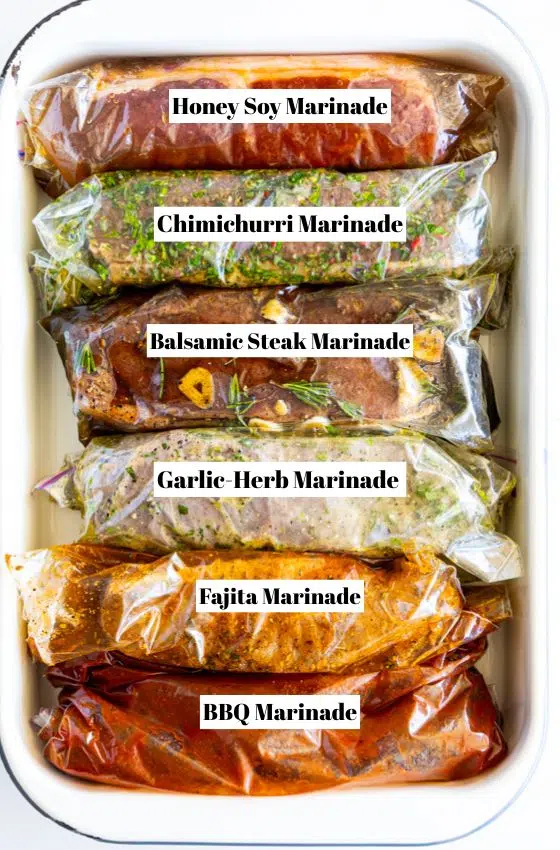
Marinade Ingredients and Substitutions
These easy steak marinades are go-to recipes in my kitchen. The 6 recipes I’m sharing use pantry staples and ingredients that are common in most households to keep them as easy as possible.
- Oil. Use whichever oil you have in your kitchen. I like using olive oil or avocado oil for most of these recipes but a neutral oil like canola or sunflower oil works well in the Honey Soy marinade. Sesame oil is a nice addition for Asian-inspired marinades.
- Acid. Fresh lemon juice, lime juice, balsamic vinegar, red wine vinegar and rice vinegar all work to tenderize the meat and add brightness. I always have lemons and balsamic vinegar on hand.
- Sweetness. For sweetness I like using honey or brown sugar to help with caramelization on the grill.
- Aromatics. Fresh garlic, ginger, fresh herbs like rosemary, thyme and parsley.
- Spices. You’ll see a lot of ingredients repeated in these marinades. Garlic powder, smoked paprika, cumin, dried oregano, salt and black pepper are used often. I also use chili powder, red pepper flakes and sesame oil.
- Pantry staples. Soy sauce, Worcestershire sauce, Dijon mustard, tomato ketchup.
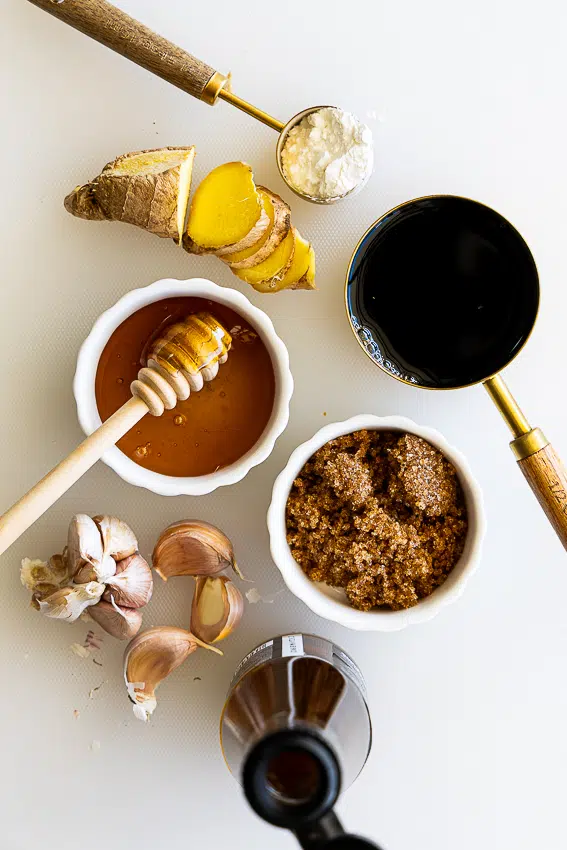
Which Cut of Steak Works Best?
Great for Marinating: Flank steak, skirt steak, sirloin, rump steak and flat iron steak. These leaner cuts benefit most from marinating as they can be tougher and the marinade helps tenderize them.
Good for Marinating: Ribeye, strip steak and T-bone. These fattier cuts are already tender and flavorful but still benefit from the added flavor of a marinade.
Less Ideal: Filet mignon is very tender and doesn’t need tenderizing, but a quick marinade (2-4 hours) can still add flavor.
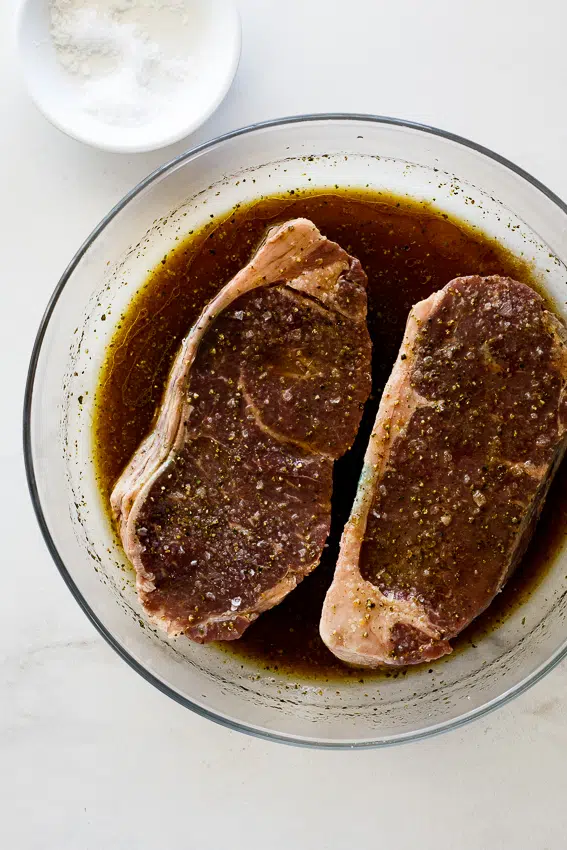
Tips For Marinating Steak
How To Marinate Steak
Make the marinade. Choose the marinade of your choice then whisk together all the ingredients in a medium bowl.
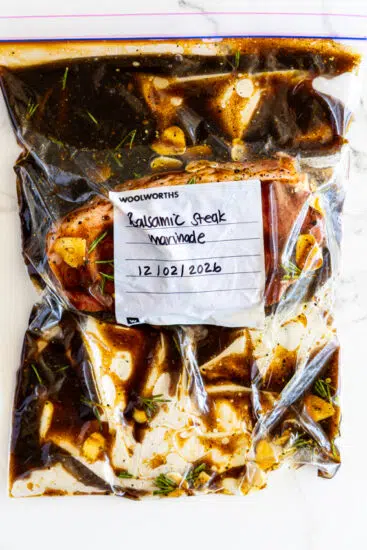
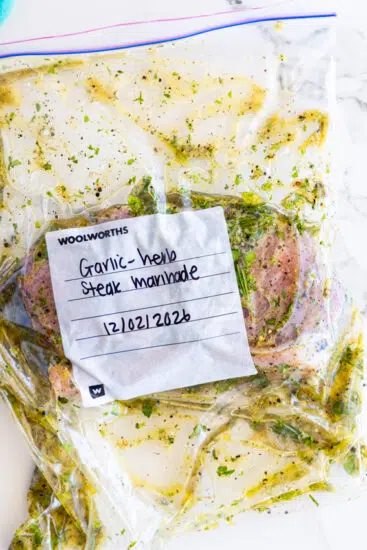
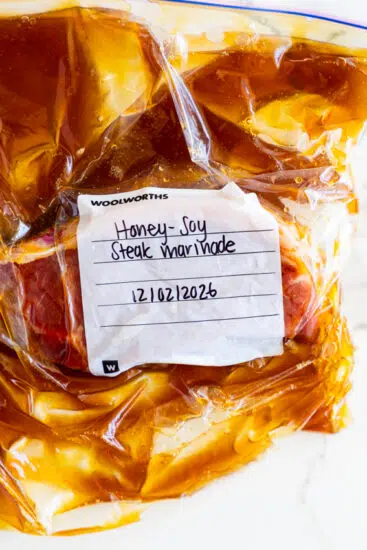
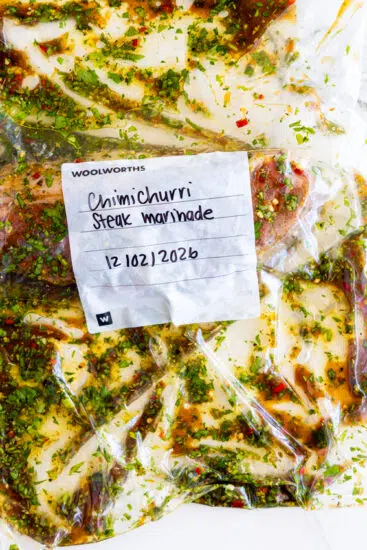
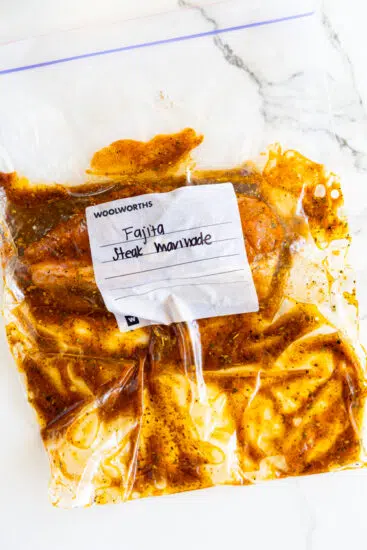
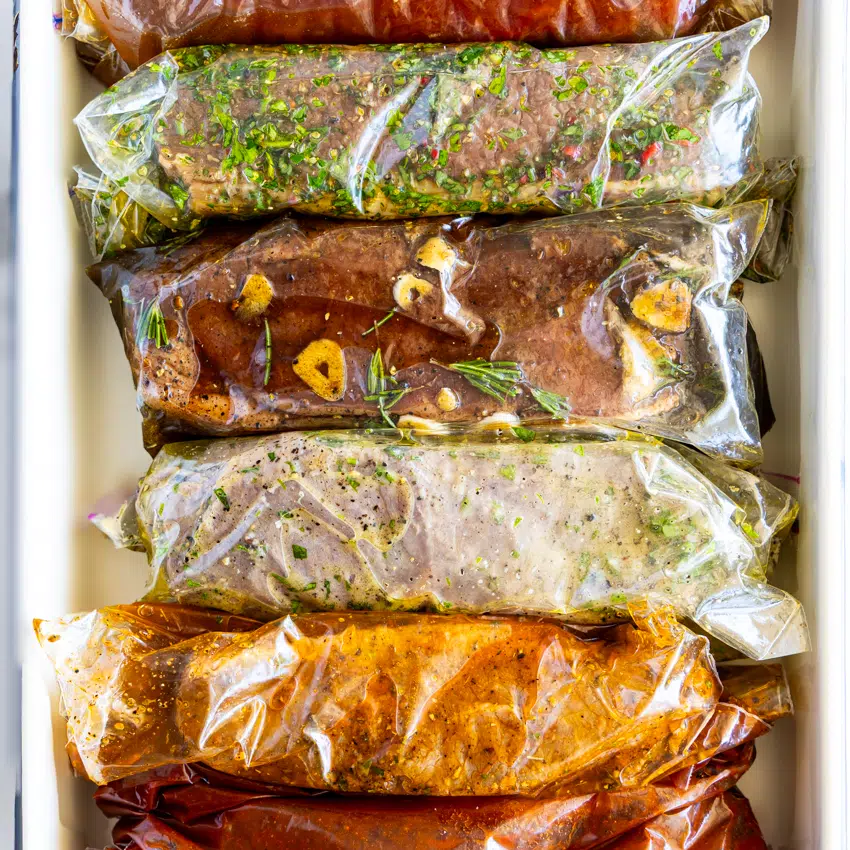
Prep the steak. Place the steak in freezer bags or a marinating container. Pour over the marinade and toss to coat the steak completely in the marinade. Remove as much air as possible from the bag and seal.
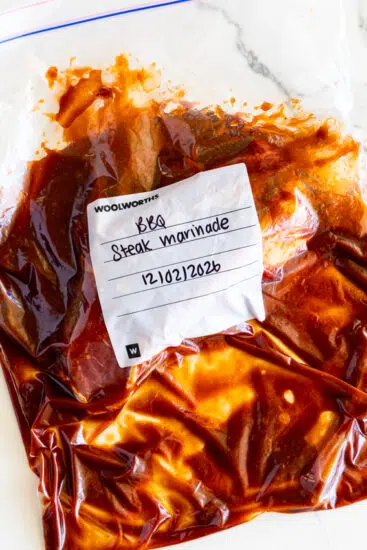
Marinate. Allow the steak to marinate for at least 2 hours or up to 24 hours in the fridge, or up to 3 months in the freezer. If freezing, lay the bags flat for even freezing and space-saving storage.
How To Cook Marinated Steak
- Grilling. This is my preferred method. Remove steak from marinade and pat dry with paper towels. Grill over high heat for 3-5 minutes per side (depending on thickness and desired doneness) until the steak has a beautiful crust and is cooked to your liking.
- Pan-searing. Heat a cast-iron skillet over high heat. Pat steak dry and sear for 3-4 minutes per side for medium-rare, or longer if you prefer it more done. Let rest for 5 minutes before slicing.
- Broiling. Preheat broiler to high. Place steak on a broiler pan and broil 4-6 inches from heat for 4-5 minutes per side, watching carefully to prevent burning.
- Air frying. Not an obvious choice but air fryer steak is surprisingly delicious and juicy. I like using this method if I’m making fajitas, tacos, etc.
- Important. Always let steak rest for 5-10 minutes after cooking to allow juices to redistribute. Allow excess marinade to drip off before adding to the heat and if pan-frying, scrape off as much of the marinade as possible before cooking.
What To Serve With Steak
Steak is such a great all-rounder and goes with absolutely any side dish. Depending on the marinade you’re using, steak can be used in tacos, salads, quesadillas, fajitas, sandwiches and more. If you’re grilling steak, potatoes, asparagus or a big salad are great options.
Video
Ingredients
BBQ Steak Marinade
- 1 cup tomato ketchup
- 2 tbsp balsamic vinegar
- 2 tbsp Worcestershire sauce
- 1 tsp smoked paprika
- 1 tbsp brown sugar
- 1 tsp salt
Balsamic steak marinade
- ⅓ cup olive oil
- ⅓ cup Balsamic vinegar
- 1 tsp salt
- 1 tsp black pepper
- 2 garlic cloves thinly sliced
- 4 sprigs fresh rosemary
Fajita steak marinade
- ⅓ cup olive oil
- 3 tbsp lime juice
- 2 tbsp taco seasoning
- 2 tsp salt
Garlic-herb marinade
- ⅓ cup olive oil
- 3 tbsp lemon juice
- 3 tbsp fresh herbs (I used parsley, rosemary and thyme), chopped
- 1 tsp dijon mustard
- 3 garlic cloves minced
- 2 tsp salt
- 1 tsp pepper
Chimichurri marinade
- ⅓ cup olive oil
- 3 tbsp red wine vinegar
- 2 tbsp fresh parsley finely chopped
- 1 tsp chopped chillies
- 1 tsp dried oregano
- 2 garlic cloves crushed
Honey-soy marinade
- ⅓ cup vegetable oil
- 3 tbsp rice vinegar
- 3 tbsp soy sauce
- 2 tbsp honey
- 2 garlic cloves minced
- 2 tsp minced ginger
Instructions
- Combine all the ingredients for each marinade in a glass bowl and whisk together.
- Place the steaks in a ziploc bag (or reusable silicone bag) and pour over the marinade.
- Close, squeezing out all the air, then refrigerate for up to a day or freezer for up to 3 months.
Notes
- Each marinade is enough for 1lb/500g steak.
FAQ
Yes. More than 24 hours and the acids in the marinade can start to break down the meat too much, making it mushy. For most marinades, 4-8 hours is ideal.
No! Piercing or scoring the meat actually releases juices and can make your steak dry. The marinade will penetrate just fine without it.
Absolutely. These marinades work beautifully on chicken, pork, and even vegetables. Adjust marinating times accordingly – chicken needs 2-6 hours, pork 4-12 hours.
Even 30 minutes is better than nothing. Or use the marinade as a basting sauce while cooking, though you won’t get the same depth of flavor.
Never use marinade that’s been in contact with raw meat as a sauce unless you boil it first for at least 5 minutes to kill bacteria. I prefer to make extra marinade and reserve some before adding the steak.
Thaw in the refrigerator overnight. The steak continues marinating as it thaws – bonus flavor! For quicker thawing, place the sealed bag in cold water for 1-2 hours. Never thaw at room temperature.
Thank you for the nice variations of easy marinades. It will help a lot in future.
I’ve tried 3 of the steak marinades so far and all are excellent. Thank you for the extra advice too, I’m not much of a meat eater so I appreciate the info!
That’s wonderful to hear, thanks Angela!