
Beurre Noisette (Brown Butter)
Beurre noisette (pronounced burr-nwah-ZET) is the French term for brown butter and it translates literally to “hazelnut butter.” Not because it contains hazelnuts, but because the butter takes on a warm, toasty, nutty aroma and golden brown colour that the French thought resembled hazelnuts. It’s one of the most important techniques in French cooking and one of the simplest ways to elevate almost any dish.
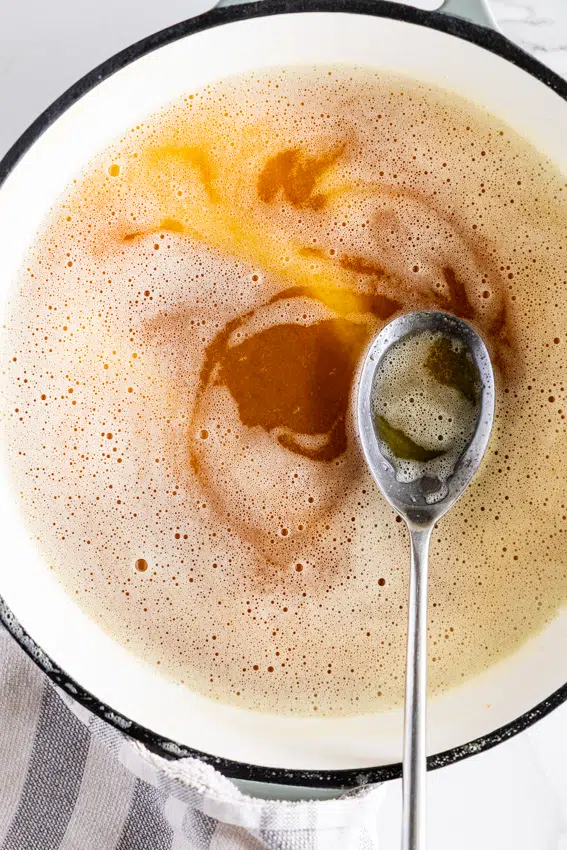
Making beurre noisette is beautifully straightforward. You melt butter in a pan and continue cooking it past the melting point until the milk solids in the butter toast and turn golden brown. Those toasted milk solids are where all the magic happens. They transform ordinary butter from something mild and creamy into something deeply nutty, rich, and complex. It’s the same butter, but it tastes completely different.
French chefs have been using beurre noisette for centuries as a finishing sauce for fish, vegetables, pasta, and pastries. Once you learn the technique, you’ll find yourself reaching for it constantly. It takes less than 10 minutes, uses a single ingredient, and makes everything taste like it came from a restaurant kitchen.
Beurre Noisette vs Clarified Butter vs Ghee
These three are often confused because they all involve cooking butter, but they’re quite different:
Beurre noisette (brown butter) is butter that has been cooked until the milk solids turn golden brown. The milk solids stay in the butter and that’s the whole point. Those toasted solids are what give it that distinctive nutty flavour and aroma. It’s used as a sauce or flavoring, not primarily as a cooking fat.
Clarified butter is butter that has been melted and had the milk solids and water removed entirely, leaving behind pure butterfat. It has a higher smoke point than regular butter, which makes it great for high-heat cooking, but it doesn’t have that nutty, toasted flavour because the milk solids have been discarded.
Ghee is essentially clarified butter taken one step further. The milk solids are allowed to lightly toast before being strained out, which gives ghee a slightly nuttier flavour than clarified butter. It’s a staple in Indian cooking and has a very high smoke point. It can be used as a substitute for clarified butter and vice versa.
The key difference is that beurre noisette keeps the toasted milk solids in the butter. That’s what makes it a sauce rather than a cooking fat.
Ingredients
You only need one ingredient to make beurre noisette:
- Unsalted butter. Use a good quality unsalted butter so you can control the seasoning. Unsalted is important here because as the water in the butter evaporates during cooking, the flavours concentrate. Salted butter can become overly salty once reduced, however, I’ve made this with salted butter and if using in a savory application, it works perfectly.
That’s it. One ingredient, transformed by technique.
How to Make Beurre Noisette (Brown Butter)
The technique is simple, but timing and attention are everything. Brown butter goes from perfectly toasted to burnt in a matter of seconds, so stay at the stove and watch it closely.
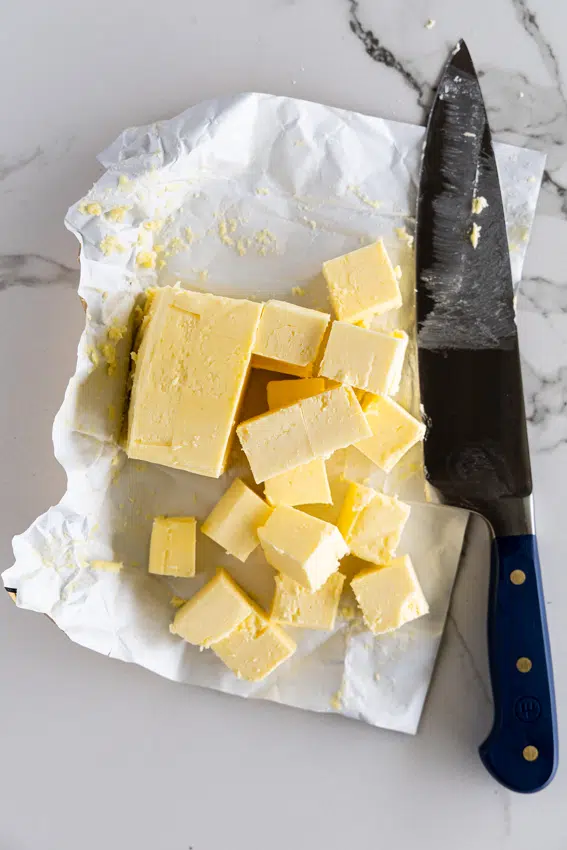
- Step 1: Cut the butter. Cut the butter into roughly equal pieces so it melts evenly. This isn’t essential, but it helps the butter melt at the same rate rather than having one large chunk still solid while the rest is already cooking.
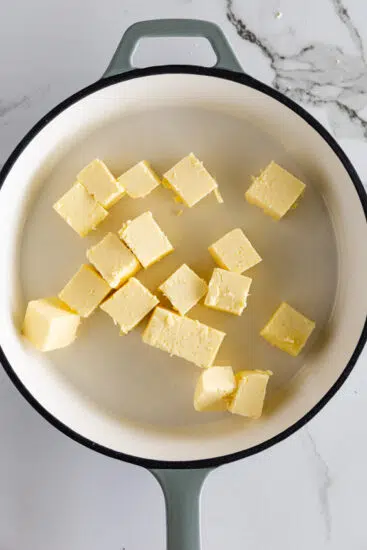
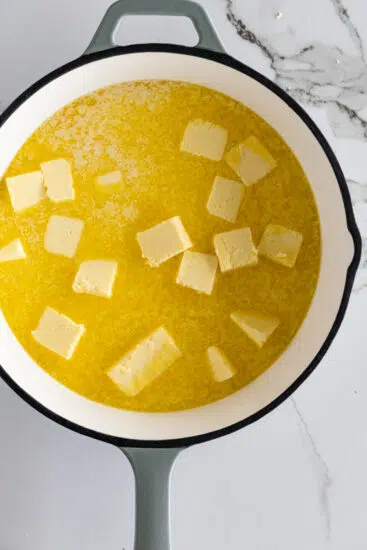
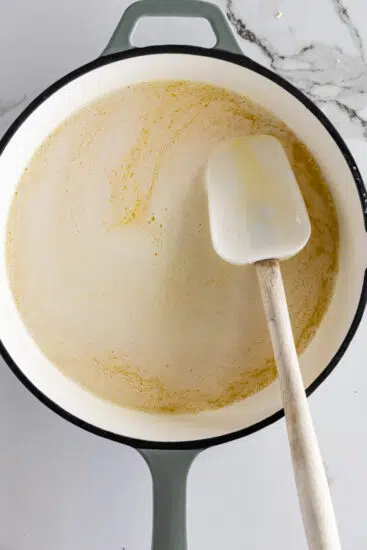
- Step 2: Melt the butter. Place the butter in a light-colored pan (stainless steel or a light saucepan, not non-stick or dark cast iron) over medium heat. A light-colored pan is important because you need to see the color of the milk solids as they change. In a dark pan, you’re essentially cooking blind. Let the butter melt completely, stirring occasionally.
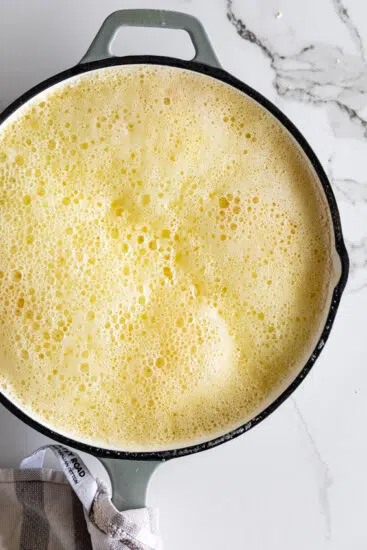
- Step 3: Watch and listen. Once the butter has fully melted, it will start to foam as the water content evaporates. You’ll hear it sizzling and bubbling. This is normal. Keep the heat on medium and let it do its thing. Swirl the pan gently every now and then so the milk solids toast evenly.
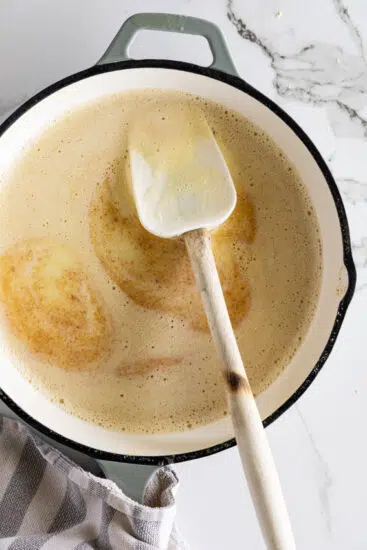
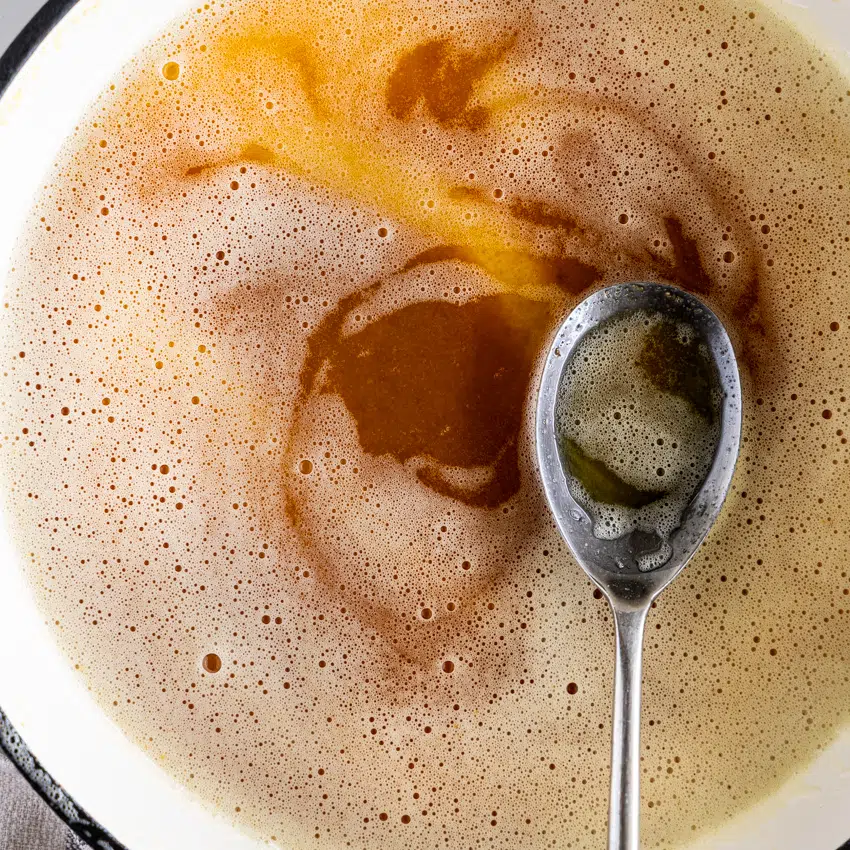
- Step 4: Look for the colour change. After a few minutes, the foaming will start to subside and you’ll notice the butter changing colour. It will go from pale yellow to golden, and you’ll start to see small brown flecks forming at the bottom of the pan. These are the toasted milk solids. The butter will smell intensely nutty and fragrant, almost like toasted hazelnuts or caramel. This is your beurre noisette.
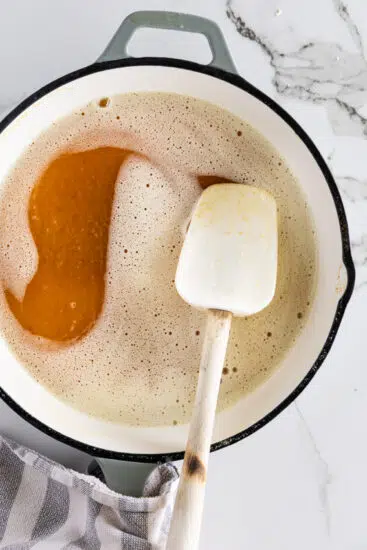
- Step 5: Remove from heat immediately. As soon as the butter is a warm amber or golden brown colour and smells nutty, take the pan off the heat. The residual heat in the pan will continue cooking the butter for a few seconds, so pulling it slightly earlier than you think is the safe move. If you’re using the brown butter as a sauce (over ravioli, fish or vegetables), you can add your other ingredients now to stop the cooking process.
The whole process takes about 5 to 8 minutes from cold butter to finished beurre noisette.
Tips for Perfect Beurre Noisette
- Use a light-coloured pan. This is the single most important tip. You need to see the milk solids changing colour at the bottom of the pan. A stainless steel saucepan or skillet is ideal. Dark non-stick or cast iron pans make it nearly impossible to judge the colour accurately and by the time you smell burning, it’s too late.
- Don’t walk away. Brown butter demands your full attention for those final 2 to 3 minutes. It can go from perfectly golden to burnt in about 30 seconds. Stay at the stove, watch the color and trust your nose.
- Keep the heat at medium. High heat makes the butter brown too quickly and unevenly, giving you burnt spots before the rest has had a chance to develop. Medium heat gives you a wider window to react and pull the pan off at the right moment.
- Swirl, don’t stir constantly. Gentle swirling helps the milk solids toast evenly without disturbing the process too much. You don’t need to whisk or stir aggressively.
- Use enough butter. A thin layer of butter in a large pan will brown (and burn) much faster than a decent amount.
- Know the stages. Melted and pale (not ready), foaming and bubbling (water evaporating, getting close), foam subsiding with golden brown flecks and a nutty aroma (perfect), dark brown with a bitter smell (gone too far). Once you’ve made it a couple of times, you’ll recognise each stage instantly.
- If you burn it, start over. There’s no saving burnt brown butter. The bitter, acrid flavour will carry through to whatever you put it on. Fortunately, it only takes a few minutes to start a fresh batch.
Can You Make Beurre Noisette Ahead of Time?
Yes. Brown butter keeps well and is actually a great thing to make in advance. Let it cool to room temperature, then transfer it to an airtight jar or container. It will solidify as it cools, which is completely normal.
In the fridge: Brown butter keeps for up to 2 weeks refrigerated. Just scoop out what you need and melt it gently in a pan or microwave.
In the freezer: You can freeze brown butter for up to 3 months. Pour it into an ice cube tray while still liquid, freeze until solid, then pop the cubes into a freezer bag. Each cube gives you a ready-to-use portion for pasta, vegetables, baking, or finishing a dish.
For sauces: If you’re using brown butter as a warm sauce (over pasta, fish or vegetables), it’s best made fresh so you can serve it while it’s still liquid and glossy. Reheating works fine, but the texture is slightly different from freshly made.
What to Use Beurre Noisette For
This is where brown butter really shines. Once you’ve mastered the technique, the possibilities are almost endless:
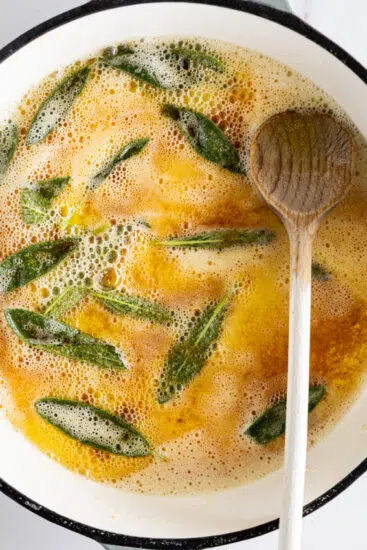
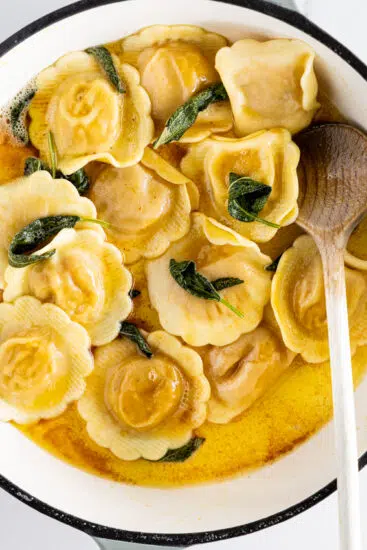
- Pasta. Brown butter is one of the simplest and most elegant pasta sauces. Toss it through fresh ravioli, gnocchi or any filled pasta for an instant restaurant-quality dish. Add sage leaves and you have the classic Italian combination of brown butter and sage. Try my Brown Butter Sage Sauce for the full recipe.
- Fish. Beurre noisette is the traditional French sauce for pan-fried sole (sole meunière) and works beautifully with any white fish. The nutty butter complements delicate fish without overpowering it. Finish with a squeeze of lemon and some capers for a classic French bistro dish.
- Vegetables. Drizzle brown butter over roasted cauliflower, steamed asparagus, sautéed green beans or roasted butternut squash. The nutty richness transforms simple vegetables into something special.
- Eggs. Brown butter scrambled eggs or a brown butter omelette are a revelation. The toasted milk solids add a depth of flavour you just can’t get from regular butter.
- Baking. Brown butter adds incredible depth to cookies, cakes and blondies. Brown butter chocolate chip cookies are especially popular because the nutty butter gives the cookies a toffee-like complexity. Just let the brown butter cool and solidify before using it in baking recipes that call for softened butter.
- Mashed potatoes. Swap regular butter for brown butter in your mashed potatoes. The nutty flavour adds a whole new dimension and makes them taste far more complex than they have any right to.
- Steak. Baste a pan-seared steak with brown butter, garlic and fresh thyme in the final minute of cooking. The toasted butter creates an incredible crust and flavour.
- Risotto. Stir a few tablespoons of brown butter through risotto right before serving for a rich, nutty finish.
- Popcorn. Drizzle warm brown butter over freshly popped popcorn with a pinch of flaky salt. It’s dangerously good.
- Sauces. Brown butter is the foundation for several classic French sauces, including beurre noisette with lemon and capers (a classic for fish) and the Italian brown butter sage sauce. It also makes an excellent base for vinaigrettes when whisked with vinegar or citrus juice.
Beurre Noisette Variations
Once you’re comfortable with the basic technique, try adding flavor at the end of the browning process:
- Brown butter and sage. Drop fresh sage leaves into the butter during the last minute of browning. They crisp up beautifully and add an earthy, aromatic flavor. This is the classic pairing for ravioli and gnocchi. For the full recipe and technique, try my Brown Butter Sage Sauce.
- Brown butter and lemon. Squeeze fresh lemon juice into the brown butter just after removing from heat. It sizzles and creates a bright, tangy sauce that’s perfect for fish and vegetables. Be careful adding the lemon as it will splutter.
- Brown butter and garlic. Add thinly sliced garlic to the butter about a minute before it finishes browning. The garlic toasts in the browning butter and adds another layer of savoury depth.
- Brown butter and herbs. Fresh thyme, rosemary or tarragon added at the end infuse the warm butter with fragrant, herbaceous notes. Thyme pairs especially well with mushrooms and chicken.
- Brown butter and spices. Whole spices like cumin seeds, mustard seeds or cinnamon sticks can be added early in the browning process. This is common in Indian cooking where brown butter (similar to ghee) is used as a base for spice-infused oils.
- Brown butter and honey. A drizzle of honey stirred into brown butter creates a sweet, nutty sauce that’s incredible over pancakes, waffles, roasted carrots or baked sweet potato.
Ingredients
- 1 cup (225g) butter
Instructions
- Cut the butter into roughly equal pieces so it melts evenly. This isn't essential, but it helps the butter melt at the same rate rather than having one large chunk still solid while the rest is already cooking.
- Place the butter in a light-colored pan (stainless steel or a light saucepan, not non-stick or dark cast iron) over medium heat. A light-colored pan is important because you need to see the color of the milk solids as they change. In a dark pan, you're essentially cooking blind. Let the butter melt completely, stirring occasionally.
- Once the butter has fully melted, it will start to foam as the water content evaporates. You'll hear it sizzling and bubbling. This is normal. Keep the heat on medium and let it do its thing. Swirl the pan gently every now and then so the milk solids toast evenly.
- After a few minutes, the foaming will start to subside and you'll notice the butter changing color. It will go from pale yellow to golden and you'll start to see small brown flecks forming at the bottom of the pan. These are the toasted milk solids. The butter will smell intensely nutty and fragrant, almost like toasted hazelnuts or caramel. This is your beurre noisette.
- As soon as the butter is a warm amber or golden brown color and smells nutty, take the pan off the heat. The residual heat in the pan will continue cooking the butter for a few seconds, so pulling it slightly earlier than you think is the safe move. If you're using the brown butter as a sauce (over ravioli, fish or vegetables), you can add your other ingredients now to stop the cooking process.
Notes
- This recipe makes just under 1 cup, enough for 4 servings of pasta, vegetables or fish.
- Butter: Use unsalted butter so you can control the seasoning. Salted butter can become too salty as the water evaporates and the flavours concentrate.
- Pan: Use a light-colored pan (stainless steel is ideal) so you can see the milk solids changing color. Dark pans make it almost impossible to judge.
- Heat: Keep it at medium. High heat browns the butter too quickly and unevenly, increasing the risk of burning.
- Timing: The whole process takes 5 to 8 minutes. Stay at the stove for the last 2 to 3 minutes as the colour changes quickly.
- Colour guide: Pull the pan off the heat when the butter is golden amber with brown flecks and smells nutty. It will continue cooking slightly from residual heat.
- If it burns: Start over. Burnt brown butter tastes bitter and will ruin whatever you put it on.
- Storage: Keeps in an airtight container in the fridge for up to 2 weeks or frozen for up to 3 months.
Frequently Asked Questions
Beurre noisette is French for “hazelnut butter.” It doesn’t contain hazelnuts. The name comes from the warm, nutty aroma and golden brown colour the butter develops as the milk solids toast, which the French thought resembled hazelnuts.
Beurre noisette is pronounced burr-nwah-ZET. “Beurre” rhymes roughly with “fur” and “noisette” sounds like “nwah-ZET” with the emphasis on the last syllable.
Beurre noisette (brown butter) is cooked until the milk solids are golden brown and nutty. Beurre noir (black butter) is taken further until the solids are very dark brown, almost black, giving it a much more intense, slightly bitter flavour. Beurre noir is traditionally served with skate (a type of fish) and capers, though it’s fallen out of fashion somewhat because the line between “very dark” and “burnt” is extremely thin.
Nutritionally, brown butter is essentially the same as regular butter. The browning process evaporates some of the water content and toasts the milk solids, which changes the flavour dramatically but doesn’t significantly alter the fat or calorie content. The main benefit is flavor: because brown butter tastes so much richer and more complex, you may find you use less of it to achieve a satisfying result.
The milk solids have gone past golden brown into burnt territory. Burnt milk solids taste acrid and bitter, and unfortunately there’s no way to fix it once it’s happened. The solution is to start over with fresh butter, keep the heat at medium and remove the pan from heat slightly earlier than you think you need to. It’s better to pull it a touch early than to push it too far.
You can, but unsalted is recommended. As the water evaporates during browning, the flavors in the butter concentrate, including the salt. Salted butter can end up tasting overly salty once browned. If salted is all you have, it will still work, just be cautious with any additional seasoning.
Technically yes, but I wouldn’t recommend it. You lose the ability to watch the colour change in real time, which makes it very easy to overshoot and burn the butter. The stovetop method only takes a few minutes and gives you much more control over the result.
A light-colored stainless steel saucepan or skillet is ideal. You need to see the color of the milk solids as they change from pale to golden to brown. Dark non-stick pans, cast iron and anodised aluminium all make it difficult to judge the color, which increases the risk of burning. The pan should also be heavy-bottomed for even heat distribution.
No. They’re related but different. Both involve cooking butter past the melting point, but ghee has the toasted milk solids strained out, leaving behind pure clarified butterfat. Beurre noisette keeps the toasted milk solids in the butter because they’re the source of all that nutty flavor. Ghee is a cooking fat with a high smoke point. Beurre noisette is a finishing sauce or flavoring.