
How to Cook Vegetables Your Family Will Actually Eat
If your family pushes vegetables to the side of the plate, the problem probably isn’t the vegetables. It’s how they’re being cooked. A steamed piece of broccoli and a roasted piece of broccoli with golden, crispy edges are technically the same ingredient but they taste like completely different foods.
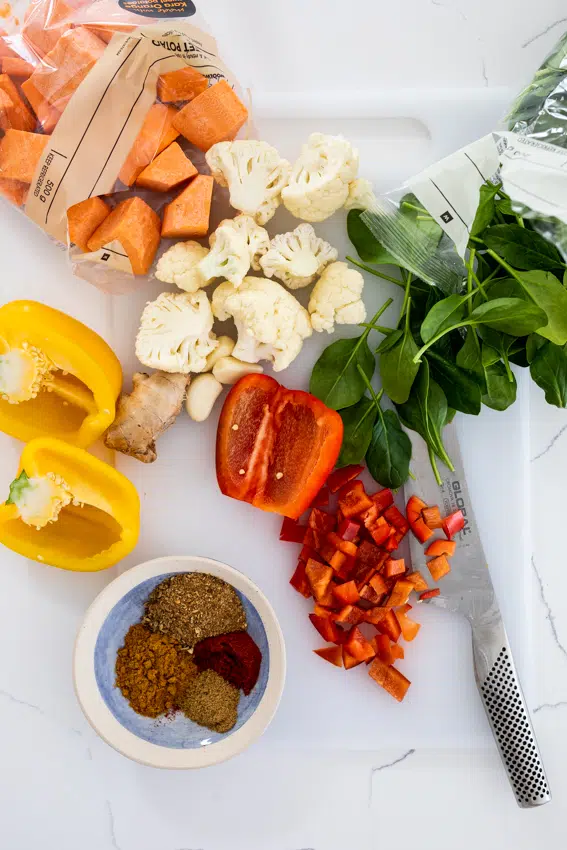
The truth is that vegetables respond dramatically to how you cook them. The right method brings out natural sweetness, adds texture and creates flavor that makes people actually want to eat them. The wrong method (boiling or steaming with no seasoning) gives you something that tastes like a chore.
These are the four cooking methods I use almost every night. They’re all simple, they work with almost any vegetable and they’re the reason my family eats vegetables without complaint. Not because they’re particularly virtuous but because vegetables cooked properly taste genuinely good.
Why the Cooking Method Matters
Every cooking method does something different to a vegetable. Understanding what each one does helps you choose the right method for what you’re making.
- High dry heat (roasting, grilling, sautéing) triggers caramelization. The natural sugars in the vegetable brown and develop complex, nutty, sweet flavors that don’t exist in the raw vegetable. This is why roasted carrots taste sweet and steamed carrots taste like nothing. The heat is creating entirely new flavor compounds on the surface.
- Moist heat (blanching, steaming, boiling) preserves color and texture but doesn’t create any new flavors. This is useful when you want vegetables to stay bright and crisp-tender, but on its own it doesn’t make vegetables taste exciting. The trick with blanching is what you do after the water: toss them in a dressing, a sauce or a flavored oil and suddenly they’re delicious.
- Fat carries flavor. Oil, butter and dressings don’t just prevent sticking. They coat the vegetable and deliver flavor to your palate. This is why a drizzle of good olive oil on roasted vegetables makes such a difference and why vegetables tossed in a garlic parmesan dressing taste completely different from plain steamed vegetables with nothing on them.
- Salt brings everything together. An unseasoned vegetable, no matter how well cooked, will taste flat. Season at every stage. Salt the blanching water. Season before roasting. Finish with flaky salt. This alone makes more difference than most people realize.
Method 1: Sautéing
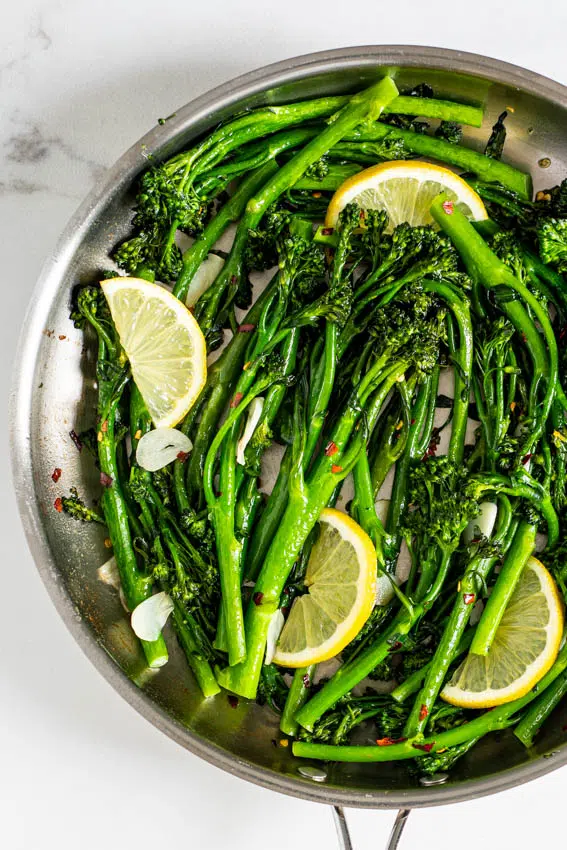
This is the method I use more than any other because it’s fast, flavorful and works with almost everything.
The technique: Hot pan, a good glug of oil or butter, vegetables in a single layer. Then the most important part: don’t touch them. Let them sit in contact with the hot pan for a couple of minutes until a golden, caramelized edge develops on the underside. Then toss or flip and repeat. The whole process takes about 5 to 7 minutes depending on the vegetable.
Why it works: The direct contact between the vegetable and the hot pan surface creates caramelization (the Maillard reaction). Those golden, slightly charred edges are where all the flavor and texture live. Stirring constantly prevents this from happening, which is why most home-cooked sautéed vegetables taste bland. They never got the chance to brown.
Best vegetables for sautéing: Mushrooms, green beans, Brussels sprouts, asparagus, broccolini, sugar snap peas and zucchini.
Tips:
- Don’t crowd the pan. Overcrowding drops the temperature and the vegetables steam in their own moisture instead of browning. If you need to cook a large quantity, work in batches.
- Get the pan hot before adding the oil. A hot pan means instant sizzle when the vegetables go in. If there’s no sizzle, the pan isn’t ready.
- Season simply. Salt, pepper and a squeeze of lemon at the end is usually all you need. The caramelization provides most of the flavor.
- Dry the vegetables before they go in. Wet vegetables steam. Pat them dry or let them air dry after washing. This is especially important for mushrooms which are like little sponges.
Method 2: Roasting

If sautéing is my everyday method, roasting is the one that converts vegetable skeptics. Something happens to vegetables in a hot oven that makes even the pickiest eater reach for a second serving.
The technique: Cut the vegetables into even pieces, toss with oil and salt, spread on a baking tray in a single layer and roast at 425°F (220°C) until the edges are golden and caramelized. That’s it. The oven does all the work.
Why it works: The sustained high heat draws moisture out of the vegetables, concentrating their natural flavors. Then the sugars on the surface caramelize, creating those crispy, golden edges that taste nutty and sweet. The inside stays tender and creamy while the outside gets texture and crunch. It’s the contrast that makes roasted vegetables so addictive.
Best vegetables for roasting: Cauliflower, Brussels sprouts, mushrooms, patty pans, sweet potatoes, broccoli, green beans, asparagus, zucchini and pumpkin/squash.
Tips:
- High heat is non-negotiable. Anything below 400°F/200°C and the vegetables will steam and soften rather than roast and caramelize. 425°F/220°C is the sweet spot for most vegetables.
- Don’t overcrowd the tray. This is the number one mistake with roasting. If the vegetables are piled on top of each other, the steam can’t escape and they’ll be soft and soggy instead of crispy. Use two trays if needed. Every piece should be touching the tray surface.
- Cut evenly. Uneven pieces mean some are burnt while others are still raw. Take the extra minute to cut everything roughly the same size.
- Play with spice mixes. This is where roasting gets exciting. The base method stays the same but you can change the flavor profile completely by switching up the seasoning. Cumin and smoked paprika for a Mexican lean. Garam masala and turmeric for Indian. Za’atar and sumac for Mediterranean. Italian herbs and parmesan for Italian. Same vegetables, same method, completely different flavor every time.
Method 3: Blanching
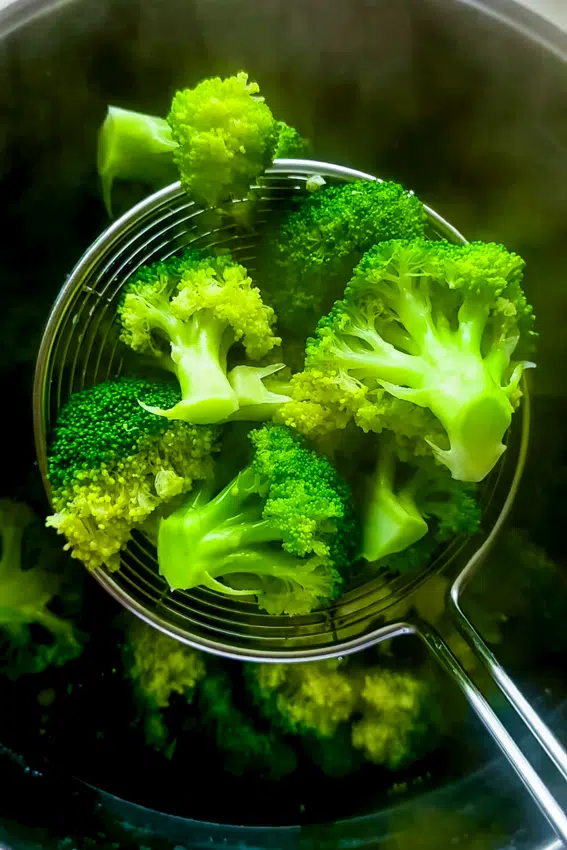
Blanching is the technique restaurants use to get those bright, vivid, perfectly cooked vegetables that still have snap and crunch. It’s underrated by home cooks and once you try it, you’ll wonder why you ever steamed anything.
The technique: Bring a large pot of generously salted water to a rolling boil. Drop the vegetables in and cook briefly, just 2 to 3 minutes, until they’re crisp-tender and the color has turned vivid green. From here you have two options.
Option 1: Ice bath. Transfer the vegetables immediately into a bowl of ice water. This stops the cooking instantly and locks in that bright color and snappy texture. This is the method to use when you want vegetables that are fresh, crunchy and vibrant. Perfect for salads, crudité platters or vegetables you’re prepping ahead of time.
Option 2: Toss hot into a dressing. Skip the ice bath and toss the vegetables while they’re still hot into a flavorful dressing. The warmth opens up the surface of the vegetables and they absorb the dressing in a way that cold vegetables never will. I do this with green beans tossed in a garlic parmesan dressing and the result is incredible. The beans soak up every bit of that garlicky, cheesy flavor and taste like something from a restaurant.
Best vegetables for blanching: Asparagus, green beans, sugar snap peas, broccolini and broccoli.
Tips:
- Salt the water generously. The blanching water should taste like the sea. This is the only chance you have to season the vegetable from the inside out.
- Don’t overcook. Two to 3 minutes is enough for most vegetables. You want crisp-tender, not soft. If the vegetables are bendy, they’ve been in too long. They should still have a slight snap when you bite through.
- Have the ice bath ready before you start. If you’re using the ice bath method, set it up before the vegetables go into the boiling water. The transfer needs to happen quickly to stop the cooking.
- Pat dry if serving cold. If you’ve ice-bathed the vegetables and they’re going into a salad, pat them dry with paper towels first. Wet vegetables dilute the dressing and make everything watery.
Method 4: Grilling
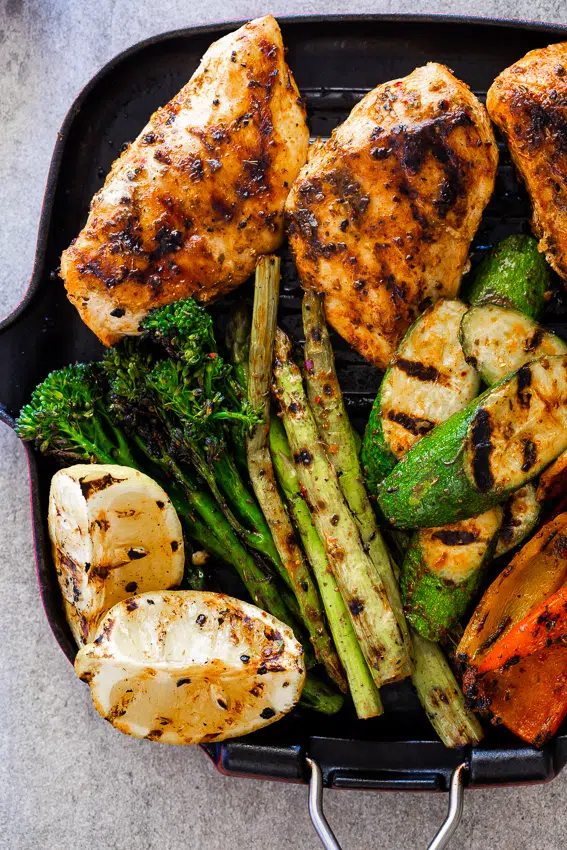
If you’ve got the grill going for your protein, throwing vegetables on is the easiest way to add a side with almost no extra effort. The direct flame adds a smoky, charred flavor that you can’t replicate with any indoor cooking method.
The technique: Brush or toss the vegetables with oil and season with salt. Place directly on hot grill grates and cook until char marks form and the vegetables are tender but still have some structure. Turn once or twice. That’s it.
Why it works: The intense direct heat from the grill creates charring on the surface while the inside steams and softens from its own moisture. The char adds a smoky, slightly bitter complexity that makes grilled vegetables taste more interesting than almost any other method. It’s the same principle as sautéing and roasting (high heat plus caramelization) but with the added element of smoke.
Best vegetables for grilling: Broccolini, corn on the cob, peppers, zucchini and eggplant. I’ve even grilled cauliflower and broccoli!
Tips:
- Don’t be afraid of the char. The char is the point. Dark grill marks and slightly blackened edges are flavor, not a mistake. If your grilled vegetables look pale and barely marked, they needed more time or higher heat.
- Oil prevents sticking. Brush or toss the vegetables with oil before they go on the grill. Dry vegetables stick to the grates and tear apart when you try to turn them.
- Use a grill basket for small pieces. Small vegetables (sliced zucchini, cut peppers, broccolini) can fall through the grates. A grill basket keeps everything contained while still letting the smoke and heat reach the surface.
- Grill larger pieces. Cut vegetables into large pieces or planks rather than small cubes. Bigger pieces are easier to handle on the grill, get better char marks and don’t dry out as quickly. You can always cut them smaller after grilling.
A Quick Reference: Which Method for Which Vegetable
Some vegetables work with multiple methods. Here’s a guide to help you decide:
- Asparagus: Sauté, blanch, roast or grill. One of the most versatile vegetables on this list. My go-to is sautéing for speed and blanching when I want it bright and fresh.
- Broccoli/Broccolini: Roast for crispy edges, blanch for bright and snappy, sauté for quick weeknight sides or grill broccolini for a smoky char.
- Green beans: Blanch and toss in a dressing (my favorite approach), sauté in butter for a quick side or roast at high heat for crispy, shriveled beans with intense flavor.
- Mushrooms: Sauté. Always sauté. Mushrooms need direct contact with a hot pan to develop flavor. Don’t add them to a wet cooking method or they’ll turn into rubbery sponges.
- Zucchini: Sauté, roast or grill. All three give you great results. Grilling is best in summer. Roasting is best in winter. Sautéing works year-round.
- Cauliflower: Roast. This is cauliflower’s best cooking method by a significant margin. High heat turns it nutty, sweet and golden in a way no other method can match.
- Sweet potatoes/Pumpkin/Squash: Roast. The oven caramelizes the natural sugars and concentrates the flavor. These dense vegetables need sustained heat to cook through and roasting delivers that perfectly.
- Sugar snap peas: Sauté or blanch. Both keep the snap and freshness. Don’t roast or grill them because they dry out and go limp.
- Corn on the cob: Grill. The smoky, slightly charred kernels are the whole appeal. Boiling corn is fine but grilled corn is a different experience entirely.
- Eggplant: Grill or roast. Eggplant needs high heat to go from spongy and bland to silky and smoky. Low-heat methods just make it sad.
- Peppers: Grill for blistered, smoky peppers or roast for sweet, soft peppers. Both work beautifully.
Frequently Asked Questions
All four methods are healthy. Sautéing and roasting use a small amount of oil which actually helps your body absorb fat-soluble vitamins (A, D, E, K) from the vegetables. Blanching preserves the most nutrients because the cooking time is so short. Grilling is similar to roasting in terms of nutrition. The least healthy thing you can do is boil vegetables for a long time because the nutrients leach into the water which you then pour down the drain.
Three things: high heat, dry vegetables and don’t overcrowd. If the pan, tray or grill is too crowded, the moisture released by the vegetables can’t evaporate. Instead of browning and crisping, they sit in their own steam and go soft. Give them space, use high heat and make sure the surface is dry before cooking.
Both. Season with salt and oil before cooking to build flavor during the cook. Then taste and adjust with more salt, pepper, a squeeze of lemon or a drizzle of good olive oil after cooking. Seasoning at both stages gives you the deepest, most balanced flavor.
Yes. Most vegetables can be washed, cut and stored in airtight containers in the fridge for 2 to 3 days before cooking. Blanched vegetables keep well for 3 to 4 days. Roasted and sautéed vegetables are best fresh but keep in the fridge for 2 to 3 days and reheat well in a hot pan or the oven.
Three reasons. Restaurants use more oil and butter than most home cooks are comfortable with, which carries flavor. They season aggressively with salt. And they use high-heat methods (sautéing, roasting, grilling) rather than low-heat methods (steaming, boiling). The good news is that you can do all three of these things at home and the results are immediate.
Roasting is your best bet. The caramelization brings out natural sweetness that appeals to kids. Roasted sweet potato, cauliflower and broccoli are the most common “gateway” vegetables for picky eaters. Letting kids dip vegetables in sauces (ranch, hummus, cheese sauce) also helps because the dipping makes it interactive rather than just something sitting on a plate.
For sautéing and roasting, use an oil with a decent smoke point: olive oil, avocado oil or vegetable oil all work well. For grilling, brush with olive oil or avocado oil. For blanching, the oil goes in the dressing afterward, not the water. Extra virgin olive oil is best as a finishing oil (drizzled on after cooking) when you want maximum flavor.
For roasting and sautéing, frozen vegetables don’t work as well because the excess moisture prevents browning. They steam instead of caramelize. If you’re using frozen vegetables, the best approach is to thaw them, pat them very dry with paper towels and then cook. For blanching, frozen vegetables are already blanched before freezing so they just need a quick reheat. For grilling, stick with fresh.